
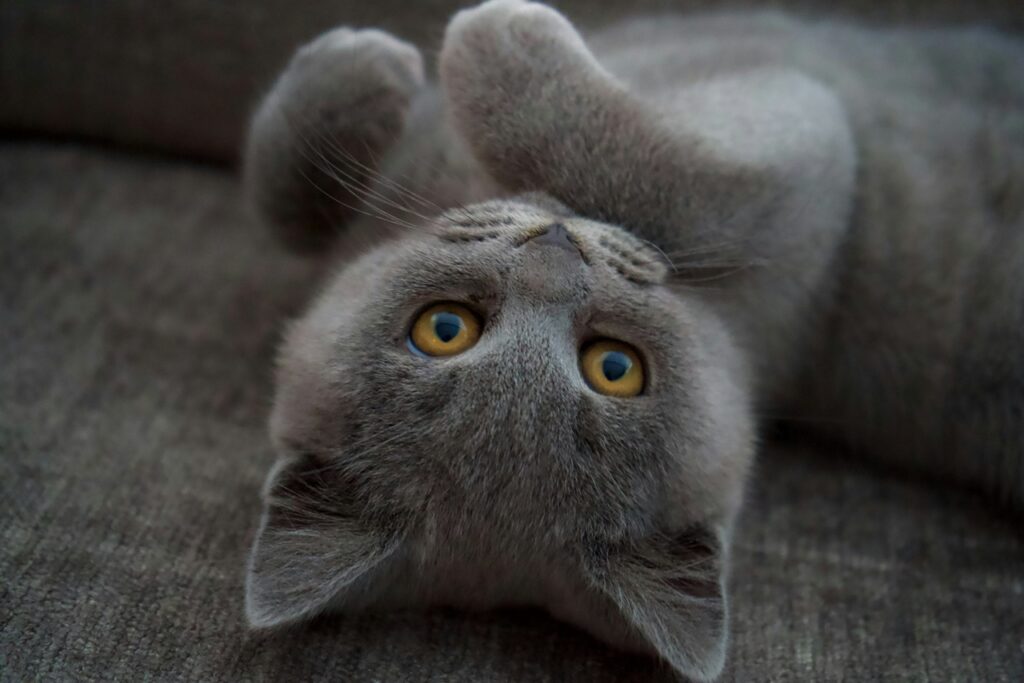
Among the many wonders of the animal kingdom, the gentle, rhythmic purr of a cat stands out. This soothing sound is more than just a sign of contentment; it’s a mystery that has captivated pet lovers and scientists alike. Cats’ purring isn’t just about happiness—there’s a fascinating world behind every vibration that might be offering hidden benefits to both cats and their human friends.
1. The Science Behind a Cat’s Purr
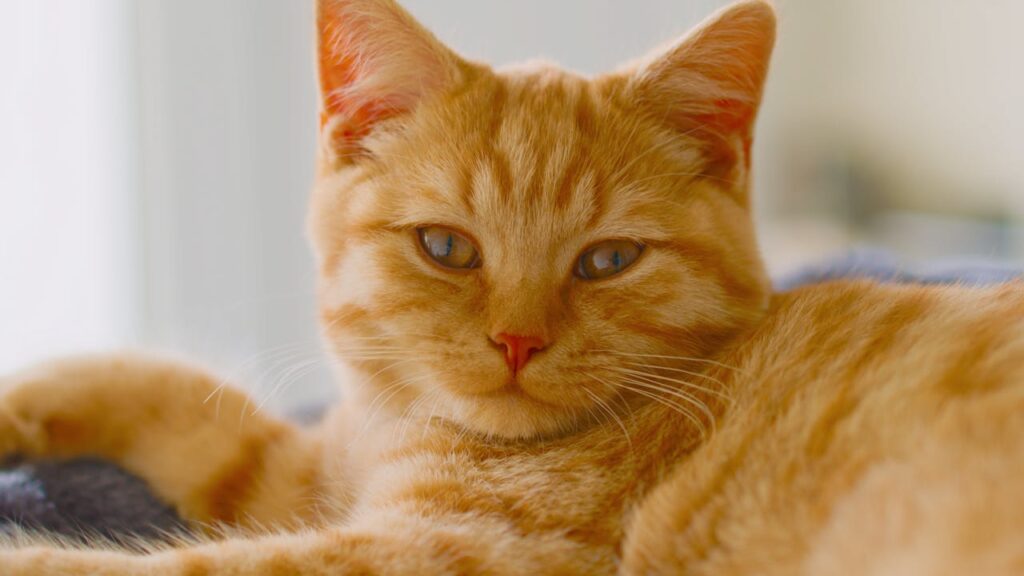
The mechanics of a cat’s purr are intriguing. At its core, a purr is a result of rapid muscle movements within a cat’s larynx and diaphragm. This creates a consistent pattern of tones, typically ranging between 25 and 150 Hertz. According to researchers at the University of Sussex, these low-frequency vibrations are not only calming but may also have therapeutic properties. They tap into a deep, primal way of fostering healing within the body.
2. Why Cats Purr: Beyond Contentment
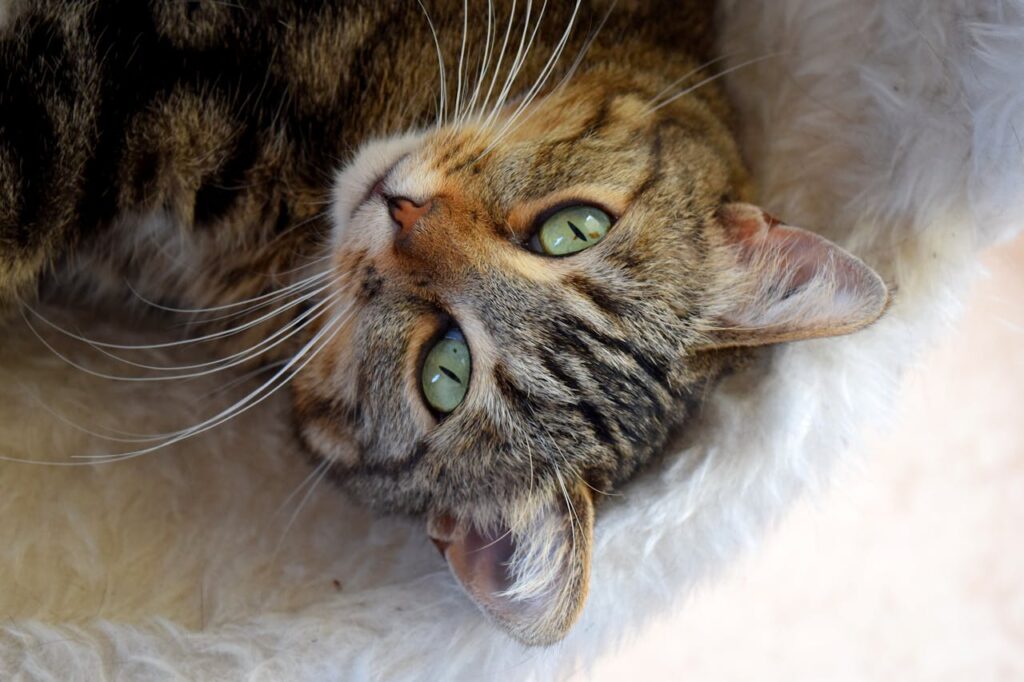
While we often associate purring with a feline’s satisfaction—snuggled up in a warm lap or basking in the sun—cats also purr in other circumstances. Vets point out that they may purr when they are in pain or anxious. This multifunctional behavior suggests that purring serves as a self-soothing mechanism, releasing pain-relieving endorphins, and perhaps even aiding in recovery from illness or injury.
3. Frequency and Healing: What’s the Connection?
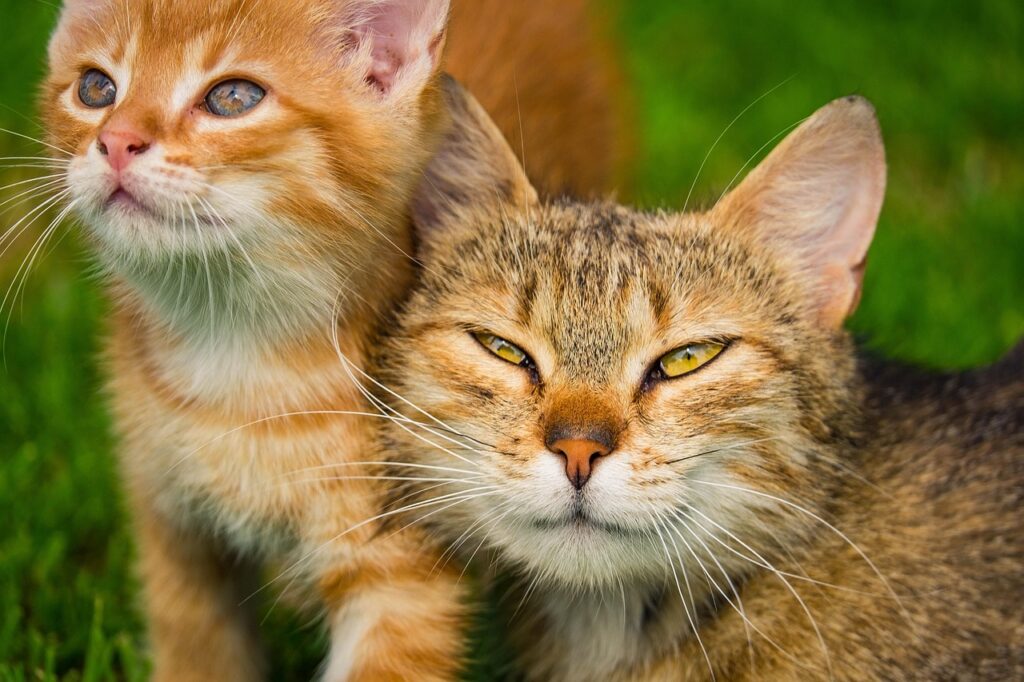
The vibration frequencies found in a cat’s purr match exactly those used in vibrational therapy to heal broken bones and wounds. Research in sound therapy has shown that exposure to frequencies within 20 to 50 Hertz can enhance bone density and promote tissue regeneration. It’s no wonder that cats have been observed to have a quicker recovery time from fractures than other animals, hinting at their natural ability to heal through purring.
4. Purrs and Bone Growth: A Surprising Link

It turns out that those soothing purrs might play a crucial role in maintaining cats’ bone health. The specific frequency range of a cat’s purr has been linked to bone growth stimulation. As highlighted by researcher Elizabeth von Muggenthaler, purring encourages bone strength and regrowth, offering a natural solution for skeletal maintenance. It’s as if nature has equipped our feline friends with an evolutionary tool for resilience and healing.
5. Stress Relief: A Cat’s Purr as Therapy
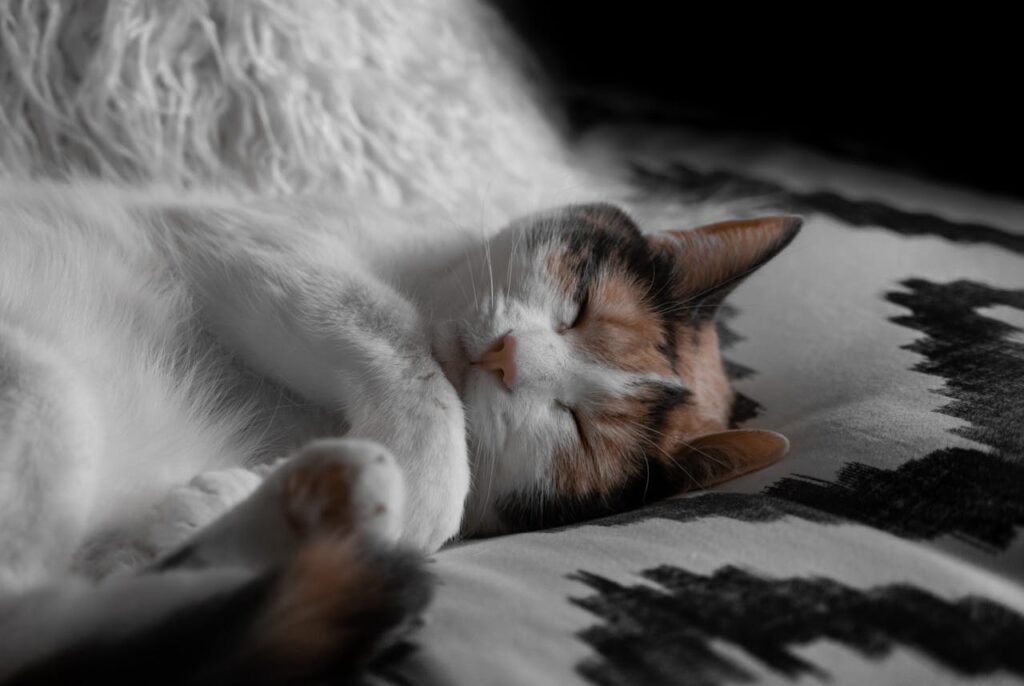
Imagine sitting back after a long day, your feline friend nestled on your lap, purring away. That gentle vibration isn’t just comforting; it can significantly reduce stress levels. Cats’ purrs range from 20 to 140 Hz, a frequency known to ease tension, slow heart rates, and promote relaxation. It’s like having a personal meditation coach right at home. This magical feline mechanism lowers cortisol levels, helping you overcome the day’s anxieties and fostering a sense of calm.
6. Respiratory Relief: Purring’s Hidden Benefits

For those with respiratory issues, a cat’s purr might be more beneficial than expected. Frequencies between 25 and 50 Hz, often found in purrs, can help open airways and increase lung capacity. The vibrations act similarly to diaphragmatic breathing, promoting better breathing patterns. While not a substitute for medical treatment, having a cat purring nearby can complement respiratory therapies and provide comfort during flare-ups.
7. Immune System Boost: How Purrs Help
Cats don’t just purr to express contentment; they might also be sparking a subtle immune response. Recent studies suggest that purring can stimulate the production of key immune cells, possibly reducing inflammation and infection risks. The soothing sound can enhance the body’s natural defenses, making it easier to fend off common ailments. A purring cat by your side might just be the unexpected ally your immune system needs.
8. Why More Research is Needed
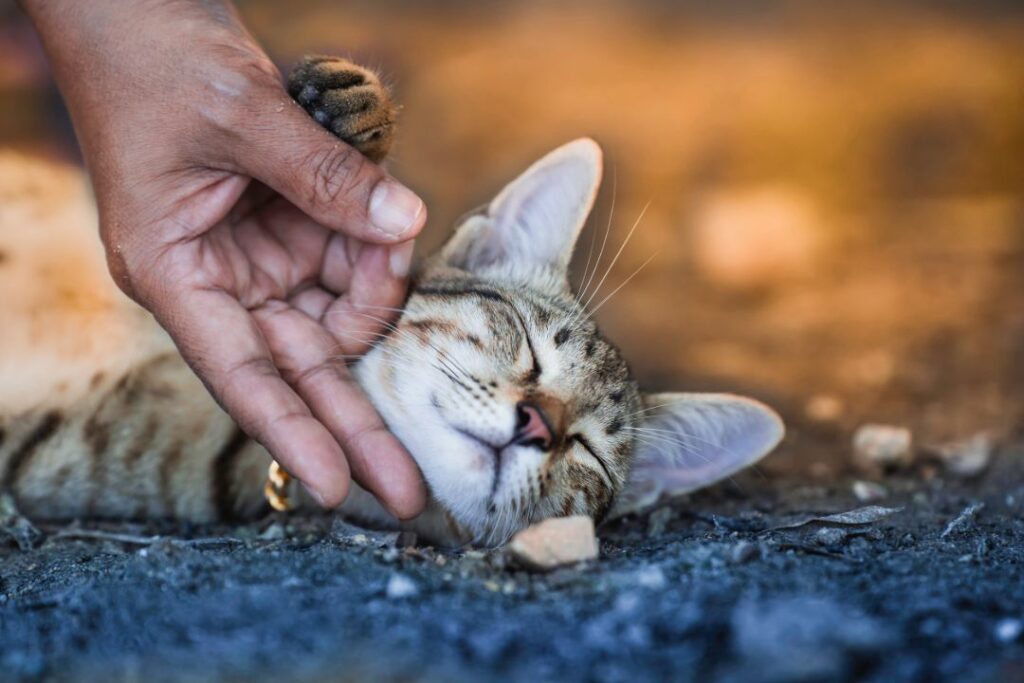
While the benefits of a cat’s purr are enticing, more scientific research is essential to fully understand this phenomenon. Current findings are promising, yet largely anecdotal, and further studies are needed to explore how these vibrations affect human health on a molecular level. As intriguing as these ideas are, validating them with solid evidence will only enhance our appreciation of our feline companions’ mysterious abilities.