
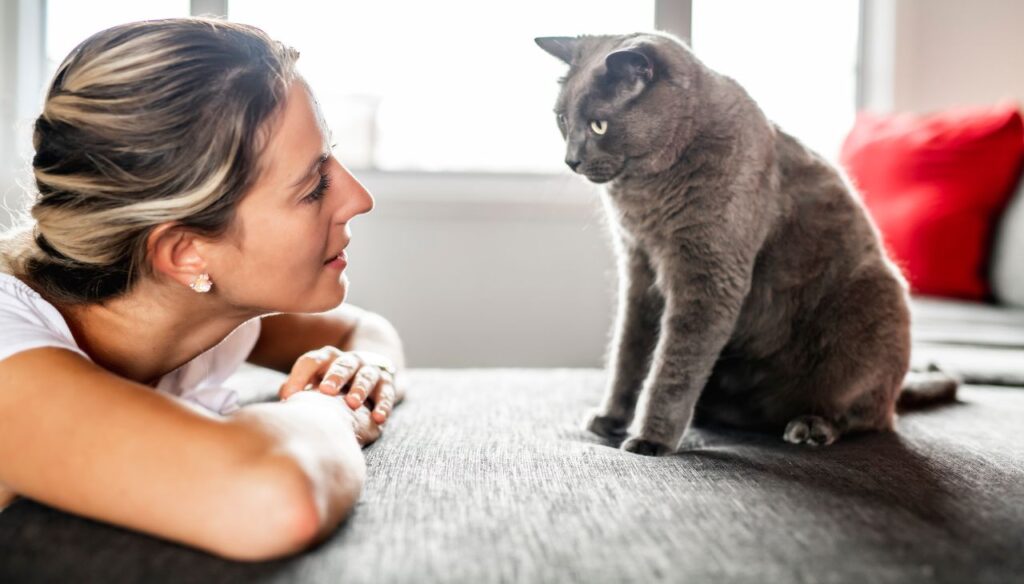
Cats have an impressive memory that helps them recall past experiences, familiar places, and even people they once loved. Unlike humans, they rely on associative memory rather than detailed recollections, recognizing former owners through scent, voice, and shared experiences rather than by sight. While cats don’t dwell on the past as humans do, they can still react to familiar people even after months or years. But how strong is their memory, and do they truly miss their past owners? Let’s explore how feline memory works and how it shapes their relationships with humans.
How Do Cats Remember People?
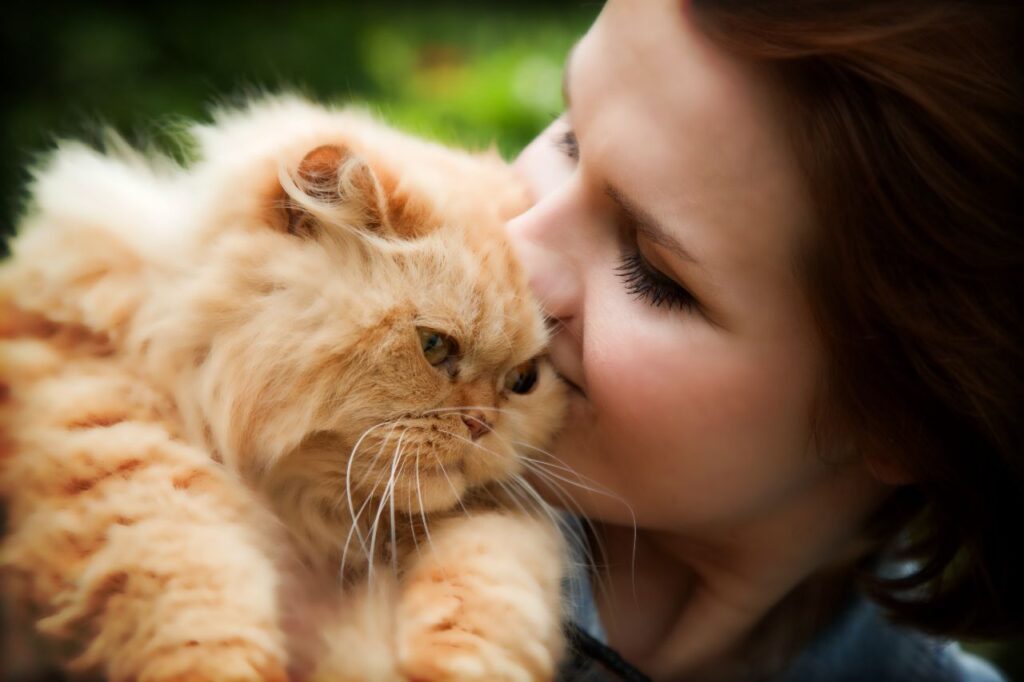
Cats process memories differently from humans. Instead of recalling events in sequence, they rely on associative memory, linking people with experiences, routines, and emotions. Studies suggest that a cat’s short-term memory lasts around 16 hours, while their long-term memory can retain information for years. Scent and voice are critical in this process, as cats use these senses to recognize their past owners. This is why a cat may react to an old owner’s presence, even after a long absence, by showing curiosity, affection, or even hesitation.
Do Cats Remember Their Past Owners?
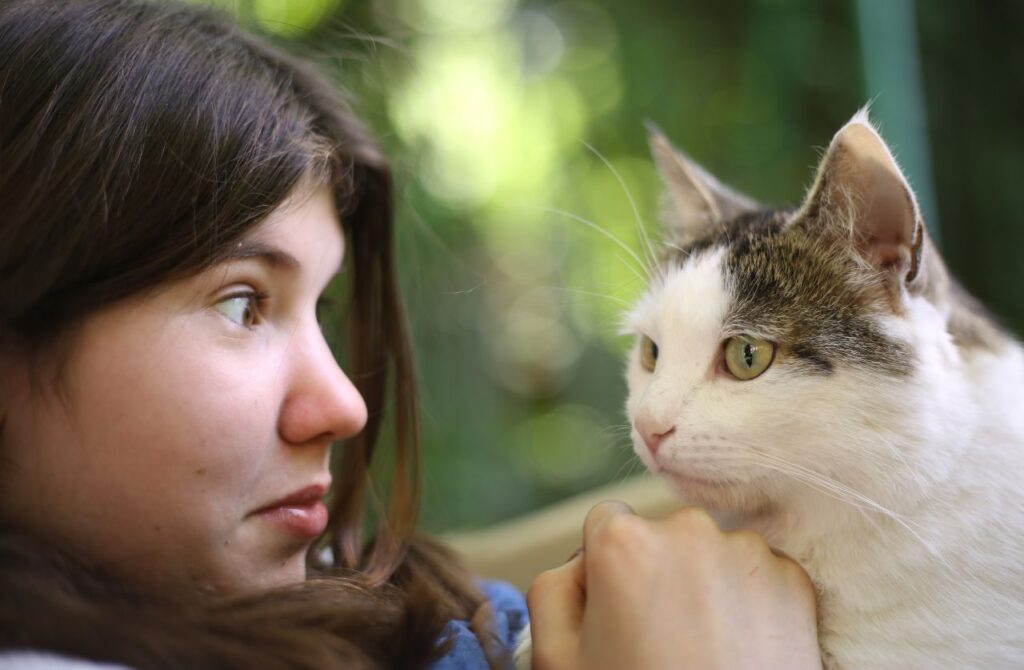
Cats can remember their past owners, especially if they formed a strong emotional bond. If a cat was treated with love and care, those positive experiences are stored in its memory for a long time. Conversely, cats can also remember mistreatment and may react with fear or avoidance if they encounter someone who previously harmed them. Their memory is shaped by emotional intensity, meaning both positive and negative experiences leave lasting impressions. A well-loved cat is likely to recognize and respond to a former owner, even after years apart.
Do Cats Miss Their Previous Owners?
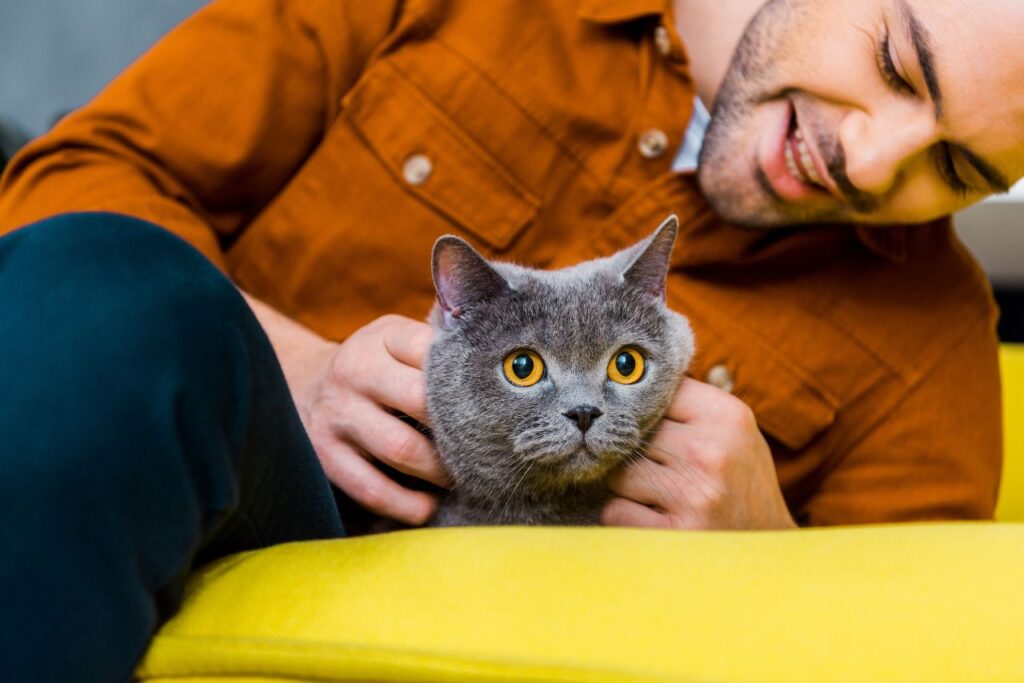
While cats don’t “miss” their past owners in the way humans experience longing, they do recognize the absence of familiar routines and affection. When rehomed, some cats show signs of distress, including excessive meowing, hiding, or even decreased appetite. If a previous owner provided comfort and security, the cat might seek similar behaviors from its new owner. However, unlike dogs, cats are highly adaptable and tend to form new bonds over time, meaning their attachment to a past owner gradually fades as they adjust to their new home.
How Long Does It Take for a Cat to Bond with a New Owner?

The adjustment period varies depending on the cat’s personality and past experiences. Outgoing cats may form new bonds within a few weeks, while more reserved or older cats can take months to feel completely secure. Factors like early socialization, the level of care provided, and previous trauma all play a role in how quickly a cat trusts a new person. Cats that had a loving relationship in the past are more likely to bond with a new owner quickly, whereas those that suffered neglect or mistreatment may require extra patience and gentle reassurance.
How to Help a Cat Adjust to a New Home

Creating a stress-free environment is essential when helping a cat settle into a new home. Providing a quiet space with familiar objects like blankets and toys can offer comfort and security. Gradually introducing them to different areas of the home and allowing them to explore at their own pace helps reduce anxiety. Using pheromone diffusers, maintaining a consistent routine, and offering treats or gentle petting as positive reinforcement can strengthen the bond. With patience and care, a cat will gradually form new attachments, proving that love and trust can always be rebuilt.
Love Pets as Much as We Do?

Scroll up and click the ‘Follow’ button to stay updated with the latest heart-warming, hilarious, and helpful pet posts from Pawdown, delivered straight to your Microsoft Start feed and MSN homepage!