
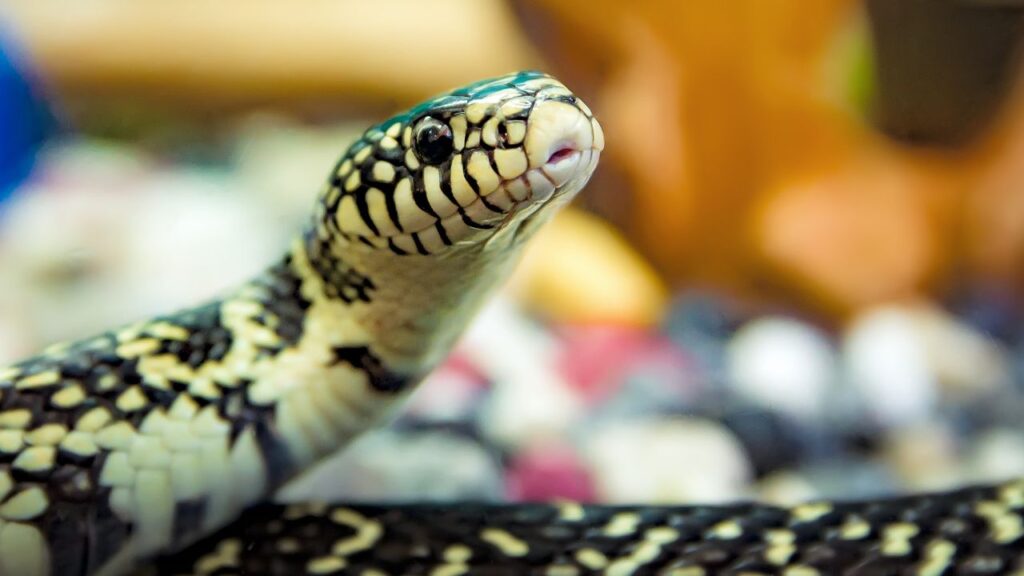
Snakes interact with their surroundings in ways that are both fascinating and unique. Unlike mammals, they lack external ears and movable eyelids, yet they possess extraordinary sensory adaptations that help them thrive. From detecting the heat signatures of prey to sensing the faintest vibrations in the ground, their perception is finely tuned for survival. How do they achieve this without conventional senses like humans? To truly understand these remarkable reptiles, we need to explore their vision, heat detection, hearing, smell, and touch. Each of these senses plays a crucial role in their ability to hunt, defend, and navigate their environment.
1. Vision: How Snakes See the World
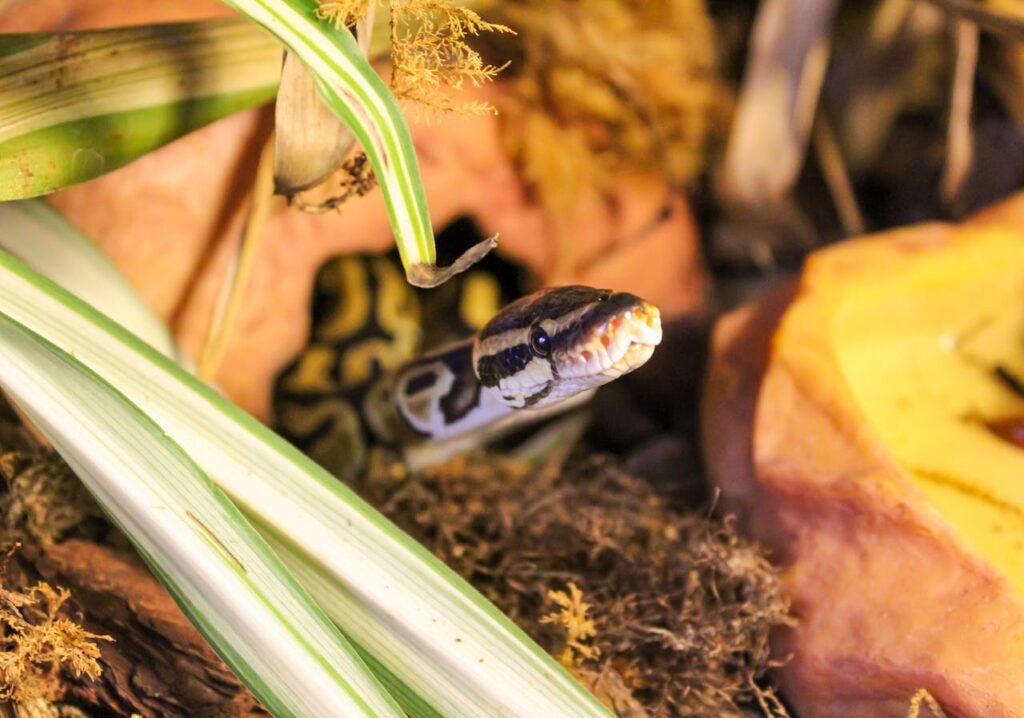
Snakes have a unique way of seeing their environment. Their eyes are covered by transparent scales, called spectacles, instead of eyelids. These scales protect their vision but result in a permanent, unblinking stare. Their eyesight varies by species; tree-dwelling snakes often have excellent vision, while burrowing species rely less on sight. Some snakes possess cone cells that enable limited color perception, whereas nocturnal species rely more on rod cells for detecting movement in low light. Despite their visual limitations, their ability to detect motion is impressive, allowing them to strike prey with remarkable accuracy.
2. Heat Detection: The Power of Infrared Sensing
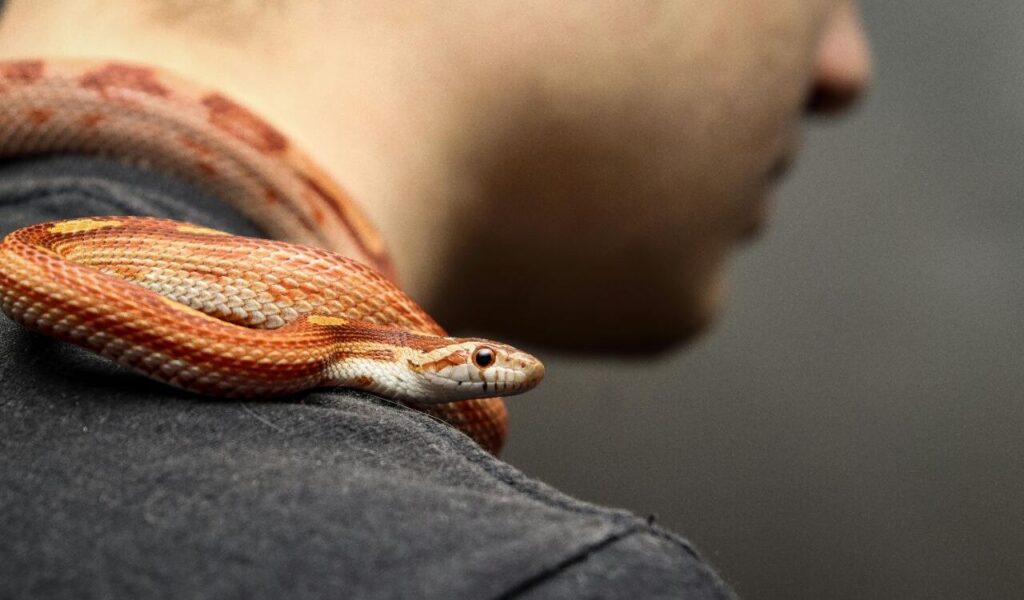
Pit vipers, pythons, and boas possess an extraordinary sensory ability—infrared detection. Specialized heat-sensing pits located between their eyes and nostrils allow them to perceive thermal radiation from warm-blooded prey. This adaptation is so precise that they can detect minute temperature differences in complete darkness. This evolutionary advantage makes them formidable nocturnal hunters, capable of striking prey based on heat signatures alone. For pet snakes, this means they can recognize their owners by body heat, even if their eyesight is not particularly sharp. This infrared vision is one of the most advanced sensory abilities in the animal kingdom.
3. Hearing Through Vibrations: Snakes’ Unique Auditory Sense

Unlike most animals, snakes lack external ears and eardrums. Instead, they “hear” through vibrations that travel from the ground into their jawbone and then to their inner ear. This ability helps them detect approaching predators, nearby prey, or even the footsteps of a passing human. Their hearing range is limited compared to mammals, but their sensitivity to vibrations is exceptional. This adaptation is particularly useful for burrowing snakes, as it allows them to perceive movement in underground tunnels. When handling pet snakes, keep in mind that sudden vibrations can startle them.
4. Smell and Taste: The Role of the Jacobson’s Organ

A snake’s sense of smell is one of its most vital tools for detecting food, mates, and predators. Their flicking tongue collects scent particles from the air and transfers them to the Jacobson’s organ in the roof of their mouth, where chemical signals are processed. This specialized organ allows them to “taste” the air and pinpoint the direction of scents. Unlike humans, who rely on their noses for smelling, snakes use a combination of their tongue and this organ to navigate their surroundings. This heightened chemosensory ability is why pet snakes can recognize familiar scents in their environment.
5. Touch Sensitivity: How Snakes Detect Their Environment

A snake’s body is covered in highly sensitive scales that detect physical contact with objects and surfaces. This acute sense of touch helps them navigate their surroundings, whether slithering over rocks, through grass, or up trees. Their belly scales are particularly sensitive, providing feedback on surface textures and temperature. This is crucial for their movement, as they use muscular contractions and friction to propel themselves forward. Pet snakes rely on their sense of touch to explore their enclosure, so providing varied textures like branches, rocks, and hides can enrich their environment.
6. The Limits of Snake Perception
Despite their incredible sensory abilities, snakes have some perceptual limitations. Their vision is not as sharp as that of many mammals, and their color perception is restricted. Unlike animals with external ears, their hearing is limited to low-frequency vibrations. Additionally, while their heat detection is highly developed, it is not useful for detecting cold-blooded prey. These sensory trade-offs illustrate how evolution has shaped snakes to be specialized hunters within their ecological niches. For pet owners, understanding these limitations can help provide a comfortable and well-adapted environment for their snakes.
7. Environmental Awareness: How Snakes Navigate Their Habitat
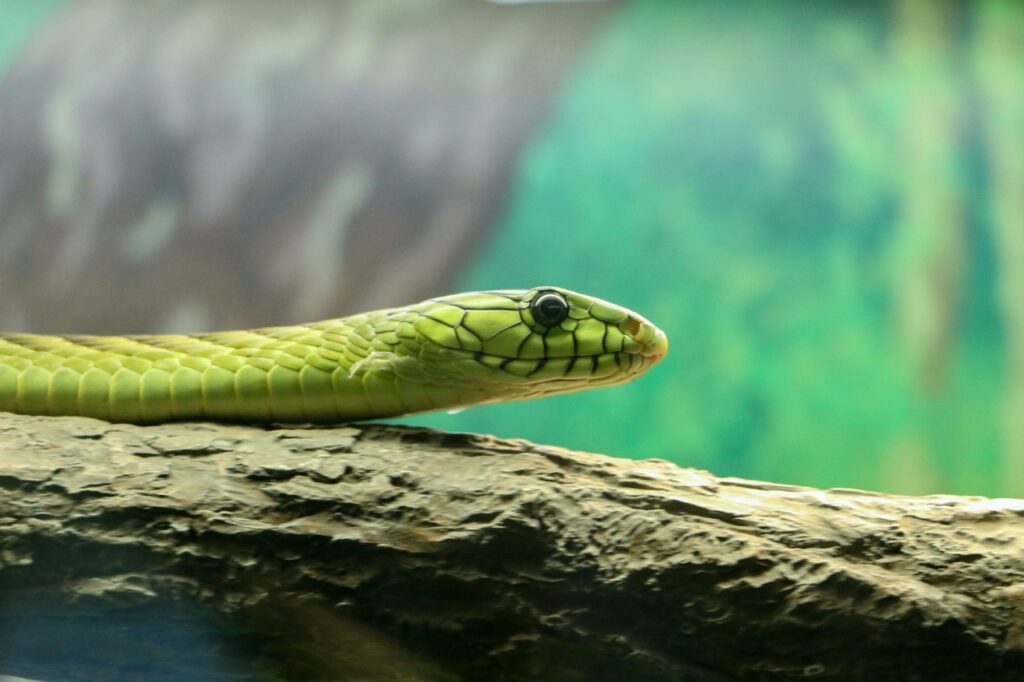
Snakes use their combination of senses to navigate diverse environments, from dense forests to arid deserts. Their ability to detect vibrations helps them recognize predators or prey moving nearby. The combination of smell, heat detection, and vision allows them to make quick decisions when hunting or escaping threats. Pet snakes often use these instincts to explore their enclosures, making environmental enrichment essential for their well-being. Providing climbing structures, varied textures, and hiding spots can stimulate their natural behaviors, allowing them to engage with their surroundings as they would in the wild.
8. Hunting Strategies: How Snakes Use Their Senses to Capture Prey

Snakes have evolved different hunting strategies based on their sensory strengths. Some, like pit vipers, rely heavily on heat-sensing pits to detect warm-blooded prey even in complete darkness. Others, like tree-dwelling colubrids, use keen vision to track moving prey during the day. Burrowing snakes primarily use smell and vibrations to locate food hidden underground. Constrictors, such as pythons and boas, detect prey using multiple senses before striking and wrapping their bodies around their target. Understanding these sensory adaptations helps explain the diverse hunting techniques found across snake species.
9. Defensive Mechanisms: How Snakes Sense and Respond to Threats

Snakes rely on their senses to detect and react to danger. Many species use visual cues to assess threats, while others depend on vibrations to detect approaching predators. Some snakes employ camouflage to blend into their environment, while others use defensive postures, such as the cobra’s hood display. Rattlesnakes use their iconic rattle to warn potential threats, demonstrating how their sensory abilities play a role in both offense and defense. For pet snakes, sudden movements or vibrations can trigger defensive behaviors, so handling them calmly and predictably is essential.
Love Pets as Much as We Do?

Scroll up and click the ‘Follow’ button to stay updated with the latest heart-warming, hilarious, and helpful pet posts from Pawdown, delivered straight to your Microsoft Start feed and MSN homepage!