
Owning a horse is a significant financial commitment, with costs varying dramatically depending on location. From boarding fees to hoof care and veterinary expenses, maintaining a horse can be costly, especially in states with higher living expenses. According to data compiled from boarding stable websites and equestrian resources, annual ownership costs fluctuate based on geography and service availability. Let’s break down horse ownership expenses by state, clearly showing what horse owners can expect to pay annually.
1. Annual Horse Ownership Costs Across the U.S.
The yearly cost of owning a horse in the U.S. is influenced by factors such as full boarding, ferrier services, and veterinary care. New York stands out as the most expensive state, with an average annual cost of $20,200. In contrast, South Dakota is the most affordable, at just $8,300 per year. Most states fall within the $9,000-$12,000 range, with southern states generally being the cheapest places to own a horse. Horse owners should budget for unforeseen expenses such as medical emergencies, training, and competition costs, which can significantly increase overall ownership expenses.
2. What’s Included in the Cost Estimates
State-by-state cost estimates include key expenses such as full board, ferrier services, and dental/veterinary care. Full board, the most significant cost factor, covers stall rent, feeding, turnout, and stall cleaning. Ferrier costs are estimated at $2,600 annually, based on an average trim and shoeing schedule. Veterinary care, including routine dental checkups, averages $1,200 per year. These figures provide a comprehensive view of the standard annual expenses involved in owning a horse but do not include additional costs such as insurance, training, competition fees, or specialized medical care.
3. Factors Not Included in Cost Estimates

While state estimates provide a baseline for horse ownership costs, they do not account for extra expenses that may arise. Training, for example, can range from $20 to over $100 per session. Competing in equestrian events adds transportation, entry fees, and lodging costs. Horse insurance, which many boarding barns require, varies based on age, health, and use of the horse. Advanced medical care, including emergency surgeries and rehabilitation, can further drive up costs. Finally, tack, riding gear, and show apparel are essential yet often-overlooked expenses that contribute to the total financial commitment of owning a horse.
4. Most Expensive States for Horse Ownership

Horse ownership is most expensive in states with high costs of living and limited pasture space. New York tops the list with an annual cost of $20,200, followed by Massachusetts at $16,900. Washington, Connecticut, and New Jersey also have high costs, exceeding $14,000 per year. These states have pricier boarding facilities and veterinary services, making horse care more expensive. If you’re considering owning a horse in these regions, budgeting for additional costs like transportation, insurance, and competition fees is crucial. Many owners in these states opt for partial boarding or co-ownership arrangements to offset costs.
5. Most Affordable States for Horse Ownership
Southern and rural states tend to offer the most affordable horse ownership costs. South Dakota has the lowest estimated cost at $8,300 per year, followed by New Mexico at $8,600. Wyoming, Montana, and Mississippi also have lower costs, generally under $9,500 annually. These states have more available land, allowing for lower boarding fees, and often feature a strong equestrian culture that makes horse ownership more accessible. While affordability is a key advantage, owners should still factor in expenses such as emergency veterinary care, training, and equipment, which can drive up costs unexpectedly.
6. How to Reduce Horse Ownership Costs
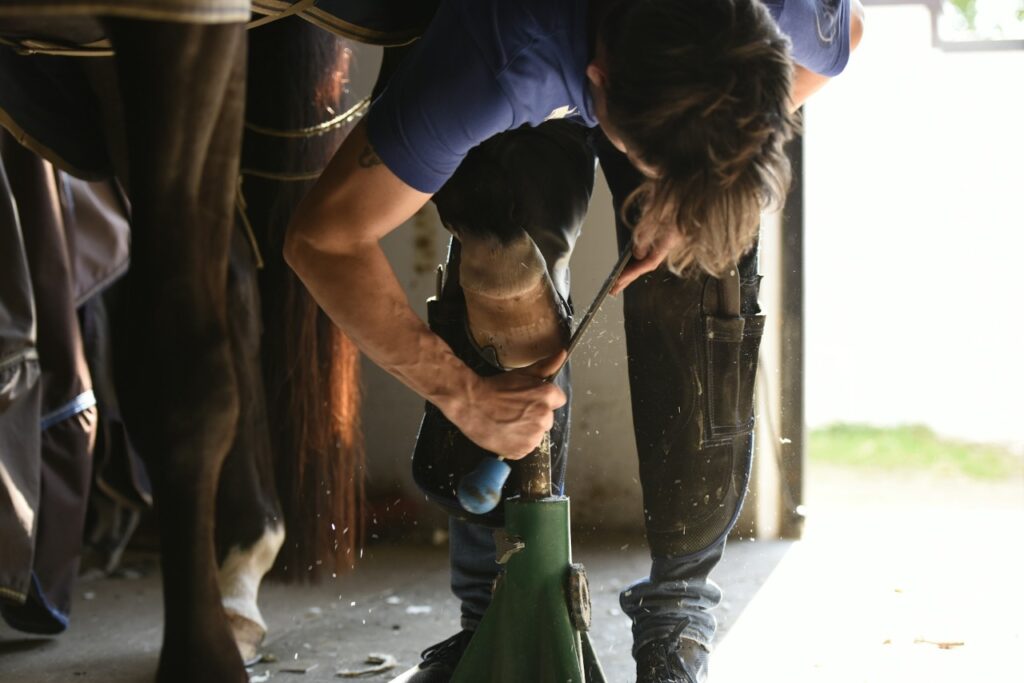
While owning a horse is expensive, there are ways to minimize costs. Choosing self-care or pasture boarding instead of full boarding can significantly reduce expenses. Purchasing hay and feed in bulk, performing basic hoof care and grooming yourself, and sharing transportation costs with fellow riders can also cut costs. Additionally, considering equine insurance can prevent financial strain in case of medical emergencies. By being proactive and making cost-effective choices, horse owners can enjoy their passion while staying within budget.
7. The Importance of Budgeting for Horse Ownership

Budgeting is crucial for any horse owner to ensure financial stability while providing the best care for their horse. Planning for routine costs such as boarding, farrier services, and veterinary care is essential, but it’s equally important to set aside funds for unexpected medical expenses or equipment replacements. Utilizing a horse ownership cost calculator can help owners track their expenses and adjust spending habits accordingly. By maintaining a well-thought-out budget, horse owners can avoid financial stress while enjoying their equestrian lifestyle.
8. Should You Own a Horse? Key Considerations
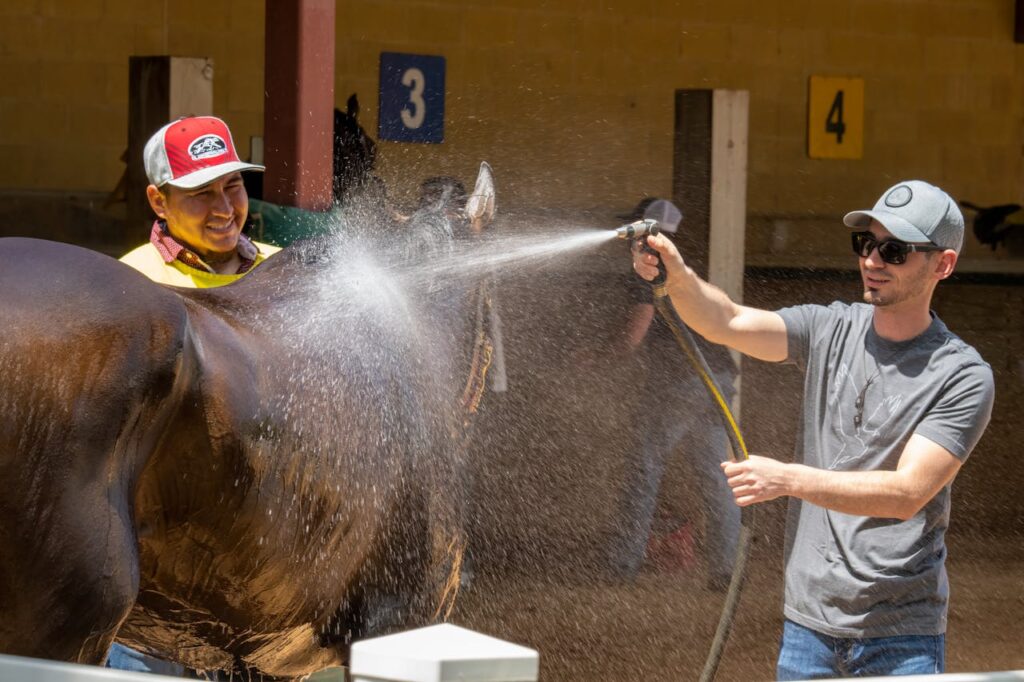
Before purchasing a horse, prospective owners should carefully assess their financial situation, time availability, and long-term commitment. Owning a horse requires not only money but also a significant amount of daily care and attention. If full ownership is too costly or time-consuming, leasing a horse or participating in a share program can be an excellent alternative. Understanding the responsibilities and financial obligations of horse ownership ensures a positive and sustainable experience for both the owner and the horse.
Love Pets as Much as We Do?

Scroll up and click the ‘Follow’ button to stay updated with the latest heart-warming, hilarious, and helpful pet posts from Pawdown, delivered straight to your Microsoft Start feed and MSN homepage!