
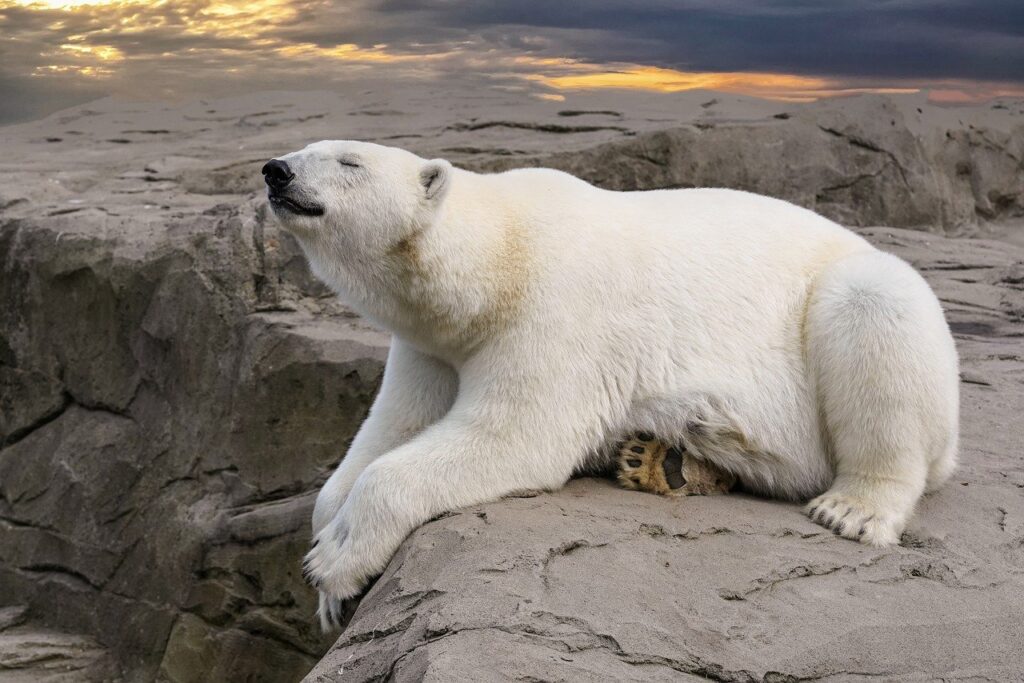
Polar bears may look like fluffy white giants perfectly built for icy climates, but their real secret to staying warm lies beneath the surface. Hidden under that thick, white fur is something unexpected—jet-black skin. While snow and ice surround them, polar bears rely on a clever combination of biology and physics to trap heat and survive extreme Arctic temperatures. Here’s how their black skin works hand-in-hand with their fur to keep them warm in one of the coldest places on Earth.
Exploring Polar Bear Adaptations

In the icy Arctic, polar bears have evolved to thrive despite the freezing temperatures. These majestic creatures are more than just their thick white fur. Underneath lies a fascinating world of adaptations that equip them to endure the harsh cold. From their keen sense of smell to their powerful swimming capabilities, each feature plays a vital role in their survival. Through a combination of physical and behavioral adaptations, polar bears have become the undisputed kings of the Arctic, capable of hunting seals over vast icy expanses with remarkable ease.
The Mystery of Black Skin Revealed

Beneath their luminous white fur lies an unexpected secret: black skin. This seemingly counterintuitive adaptation is essential for warmth. The black skin absorbs heat from the sun more effectively than a lighter shade would. This clever design allows polar bears to maximize thermal energy, aiding their survival as temperatures plunge. The color acts as a solar panel, capturing every bit of warmth available and making these formidable predators even more resilient in their freezing habitat.
How Polar Bears Use Their Black Skin to Retain Heat
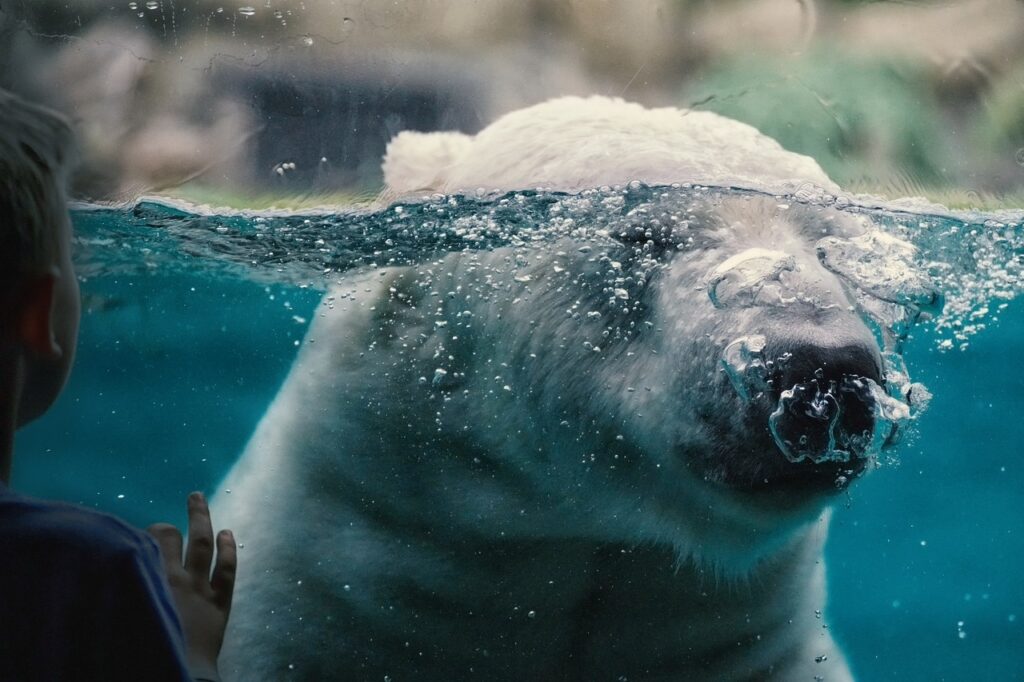
Polar bears’ black skin works in harmony with their environment. As sunlight bounces off the snow and ice, it’s absorbed efficiently by the pigmented skin beneath the fur. This absorption helps maintain body heat—a crucial aspect of polar bear survival. By drawing in more heat, even during bleak Arctic winters, polar bears regulate their body temperature while conserving energy. This adaptation is a silent testament to the species’ evolutionary genius, making warmth retention a matter of life and death amid perpetual frost.
The Role of Fur in Thermal Regulation
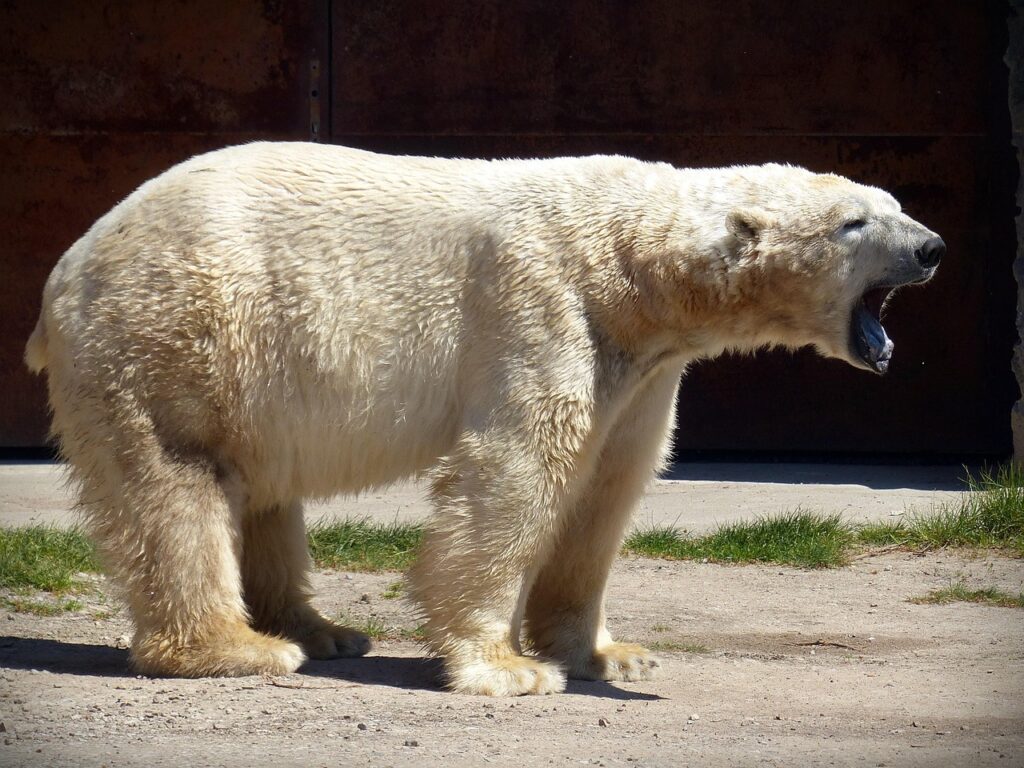
Thick, dense, and layered, a polar bear’s fur provides the ultimate winter coat. While the black skin absorbs sunlight, the fur acts as an insulating barrier against the cold. Each hollow hair traps warmth close to the body, offering an additional layer of heat retention. As they traverse frozen expanses, the fur not only keeps them warm but also camouflages them against the snow and ice. This dual functionality exemplifies nature’s ingenuity, allowing polar bears to hunt stealthily while staying snug in sub-zero temperatures.
Environmental Challenges and Adaptations
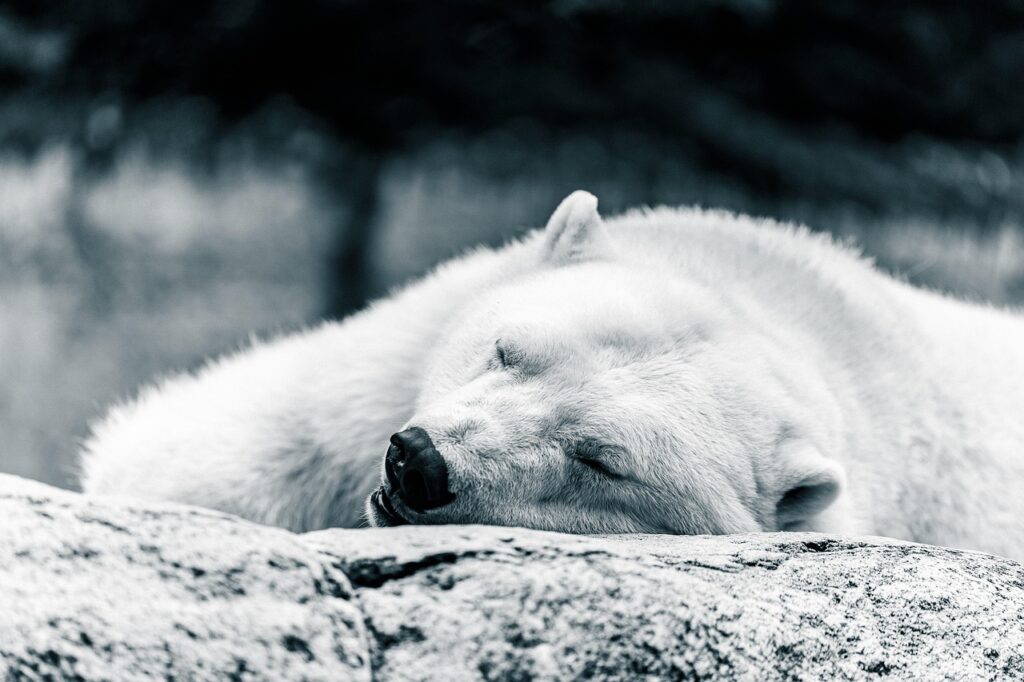
In a rapidly changing Arctic, polar bears face unprecedented challenges. While their adaptations are remarkable, the thinning ice and shifting climate patterns put pressure on their survival. The bears are forced to travel greater distances to find food, stretching their energy reserves to the limit. Yet, their evolutionary adaptations—like the black skin and insulating fur—provide a fighting chance. As their environment evolves, these majestic creatures must continuously adapt, showcasing nature’s resilience in the face of global change.
Scientific Discoveries and Insights

Polar bears, those majestic icons of the Arctic, possess a delightful secret beneath their snowy white fur—jet black skin. This evolutionary marvel plays a critical role in their survival. The black skin absorbs sunlight, transforming it into much-needed warmth—a pivotal adaptation in the frigid Arctic environment. Surprisingly, beneath their fur, each hair is actually transparent and hollow, funneling sunshine directly to the skin. This ingenious mechanism ensures polar bears retain heat efficiently, maintaining their body temperature even amidst icy winds and sub-zero temperatures.
Conservation Implications

Understanding polar bears’ unique adaptations aids in conservation efforts, emphasizing the critical need to protect their natural habitat. As climate change melts Arctic ice, these magnificent creatures face significant challenges. Their dependence on specific environmental conditions makes them vulnerable as ice floes shrink, and hunting grounds diminish. Conservationists are racing against time to implement strategies that mitigate the impacts of warming, such as advocating for policies that reduce carbon footprints and increase protected areas, ensuring these splendid bears continue to thrive.
Educating the Public About Polar Bears

Public awareness plays a crucial role in polar bear conservation. Educating communities about their lifestyle and the challenges they face is a step towards ensuring their survival. Highlighting their distinctive traits, like their black skin adaptation, can captivate and inspire action. Schools, documentaries, and online resources are excellent platforms to share these insights. By understanding the delicate balance of their ecosystem, people can appreciate the urgency of protecting polar bears, fostering a collective effort to preserve the Arctic’s future.