

Long thought to be limited to basic vocalizations, bonobos are now showing signs of far more complex communication. Recent research has revealed that these intelligent apes can combine distinct sounds to form vocal sequences—a behavior that closely mirrors the building blocks of human language. According to a study published in Science Advances, bonobos use these combinations in meaningful ways, suggesting a deeper level of cognitive and social sophistication than previously understood.
Fascinating World of Bonobo Communication

Bonobos, our gentle and intelligent relatives, are known for their complex social structures and peaceful nature. Living in humid rainforests, these primates use a range of vocalizations, facial expressions, and gestures to communicate. Their communication is as intricate as it is fascinating, providing researchers with insights into the cognitive capabilities that are crucial for understanding both primate and human behaviors. Observing bonobos in their natural habitat can feel like peering through a window into the evolution of language itself.
Breakthrough Findings in Recent Research
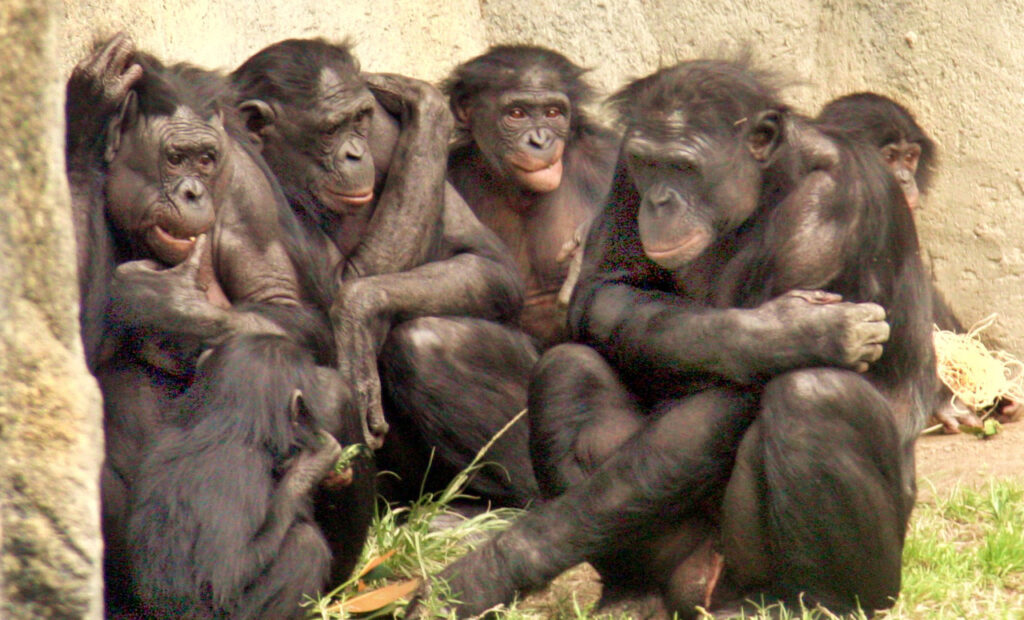
Recent studies have uncovered intriguing details about bonobo communication. According to data from a study published in Cell, researchers found that these apes combine different sounds to convey various meanings, similar to how humans form words. This discovery highlights the complexity of primate communication and how it may mirror early human language development. These findings open new doors to understanding the nuances of animal communication and cognition.
How Bonobos Combine Sounds
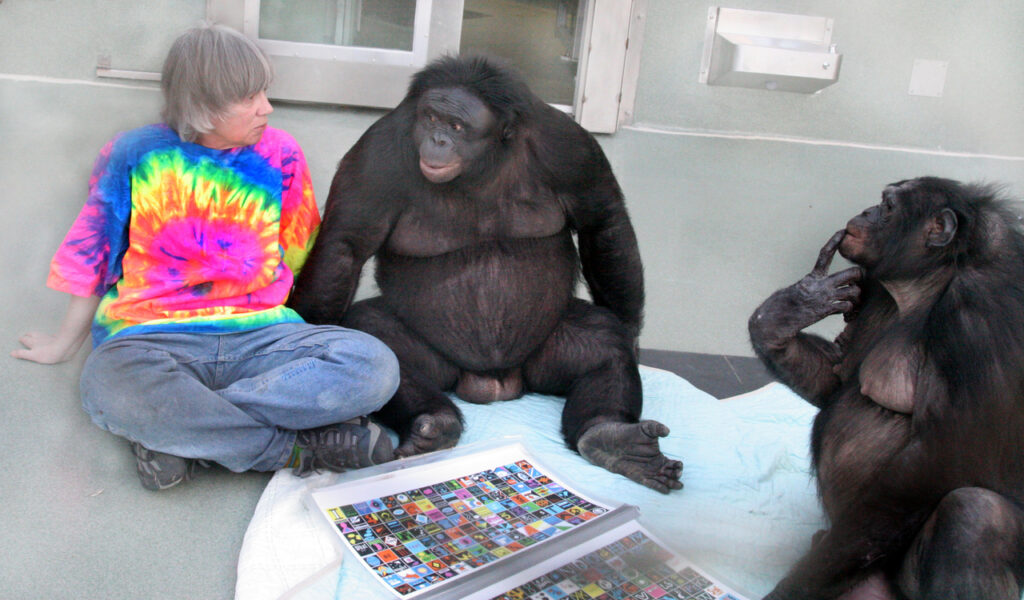
Bonobos don’t just rely on isolated calls but blend them into sequences. These sound combinations are not random; they carry specific meanings understood by other bonobos. The study found that certain combinations indicate different intentions, like seeking attention or warning of potential threats. This sound synthesis isn’t just a novel trait but a sophisticated communicative function, shedding light on the cognitive parallels between bonobos and humans. It’s a compelling glimpse into how sound combinations could lead to more complex language forms.
Implications for Understanding Primate Language

The ability of bonobos to combine sounds has significant implications for understanding primate language evolution. It suggests that the roots of linguistic structure might be deeper and older than previously thought. By examining these primates, scientists gain critical insights into the building blocks of human language. This research fuels hypotheses about how early humans may have begun formal communication, contributing to the broader field of evolutionary biology and anthropology.
A Glimpse into Language Evolution

These findings offer a tantalizing glimpse into the evolution of language itself. By studying bonobos, we can trace the origins of speech and explore the cognitive developments that pave the path to modern language. It’s like piecing together a historical puzzle where each discovery brings us closer to understanding how communication, a vital component of human civilization, first emerged. Bonobos help bridge the gap between animal communication and human language, providing a living model of our shared linguistic ancestry.
Clues from Bonobos: A Linguistic Puzzle

Bonobos, our closest primate relatives alongside chimpanzees, once again surprise researchers with their sophisticated communication. Recent studies reveal that these intelligent apes combine distinct sounds to convey different meanings, much like humans string together words. This ability showcases a complex understanding of vocalization patterns that may offer insights into the origins of human language. Bonobos’ social interactions, rich with emotional depth, highlight a shared evolutionary trait in communication, prompting scientists to reconsider how language might have evolved among early humans.