

You’ve probably heard the old saying: one human year equals seven dog years. It’s a popular belief that’s been passed around for decades, but it turns out this “rule” is more myth than fact. While it offers a simple way to estimate your dog’s age, the truth is that canine aging is far more complex—and varies based on breed, size, and even genetics. So, what really determines how fast your pup grows older? Let’s break down the science and uncover what actually drives your dog’s aging process.
1. The Origins of the 7 Dog Years Myth

The tale of multiplying a dog’s age by seven to estimate human age is as pervasive as it is flawed. It likely emerged as an easy formula to explain the faster aging of dogs compared to humans. This myth simplified the concept for pet owners by suggesting that dogs experience a human decade in one year. However, this oversimplification overlooks the true biological complexity and diversity in canine development and maturation. Recognizing how this myth started helps us appreciate the more nuanced understanding of a dog’s life journey.
2. Why Dogs Age Differently
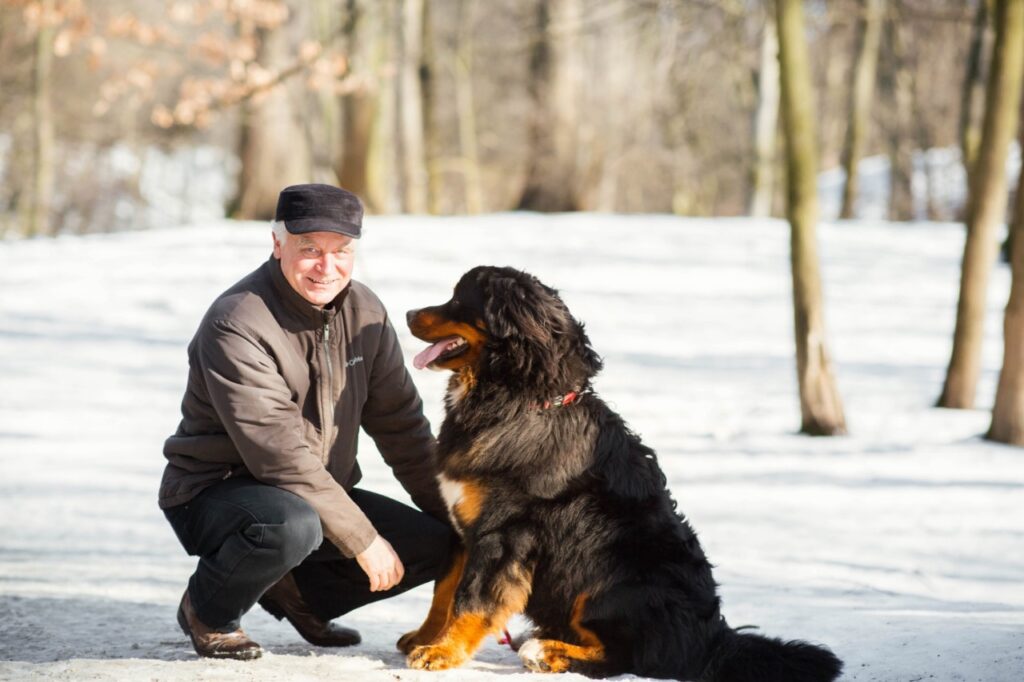
Dogs aren’t tiny humans; they’re a unique species with distinct biological rhythms. Dogs tend to mature quickly within their first years, reaching adulthood by the age of two. This initial rapid growth phase slows as they mature, aligning more closely with human aging patterns. Various factors, including metabolism, body size, and genetics, play significant roles. This distinct developmental process renders the “seven-year rule” quite inaccurate, necessitating more personalized pet aging insights.
3. A Closer Look at Canine Aging

Instead of a one-size-fits-all approach, consider the specific life stages a dog undergoes. Puppies exhibit blazing growth, adolescents stabilize, and seniors gracefully face aging. Both physical and cognitive shifts occur, influenced by diet, exercise, and veterinary care. Canine aging mirrors natural maturity, encompassing periods of vitality followed by gradual decline. This cycle is marked by changes in energy, joint health, and cognitive function, which are all part of a natural progression.
4. What Influences a Dog’s Lifespan
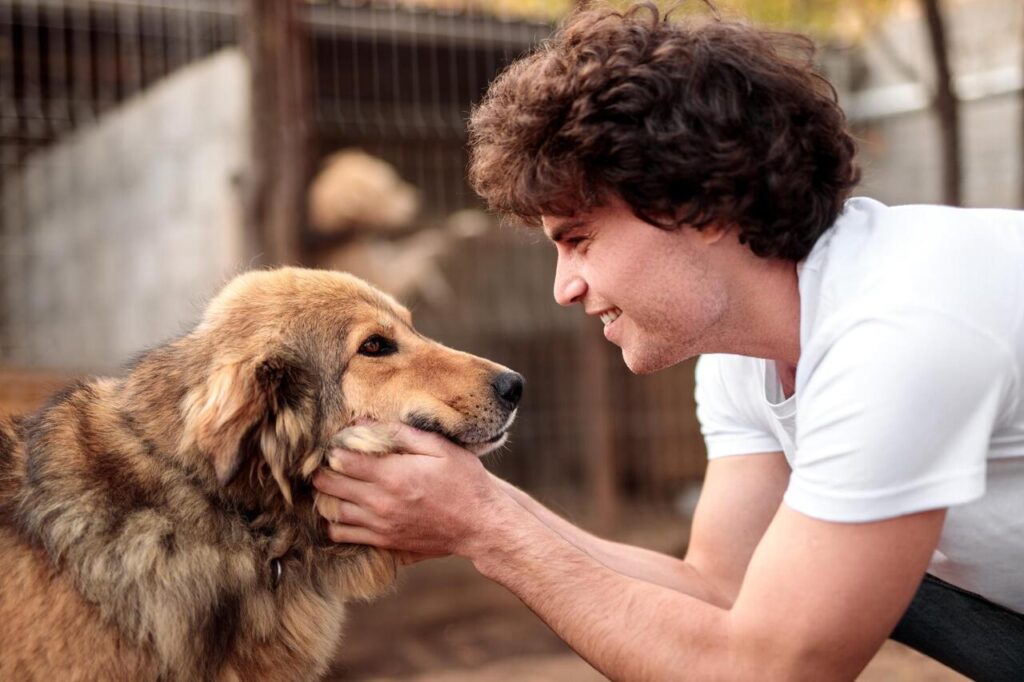
Lifespan intricacies go beyond breed and size, incorporating lifestyle, health care, and environment. Nutritious diets, regular exercise, mental stimulation, and preventive veterinary care are pivotal. Access to quality health resources can significantly extend a dog’s life, while a stress-free, loving environment contributes to mental and emotional well-being. Studies show comprehensive care can add years to a dog’s life, emphasizing the importance of holistic wellness over mere genetic predictions.
5. Understanding Breed-Specific Aging

Different breeds age at varied rates, challenging the notion of a singular aging rule. Generally, smaller breeds like Chihuahuas mature rapidly but slow down, enjoying longer lives, while larger breeds, such as Great Danes, age and mature quickly, often with shorter lifespans. These variations depend on growth rates, metabolism, and health predispositions. Pet owners can better cater to their dogs’ needs by understanding specific breed aging patterns, ensuring a balanced, fulfilling life at every stage.
6. How Size and Genetics Play a Role
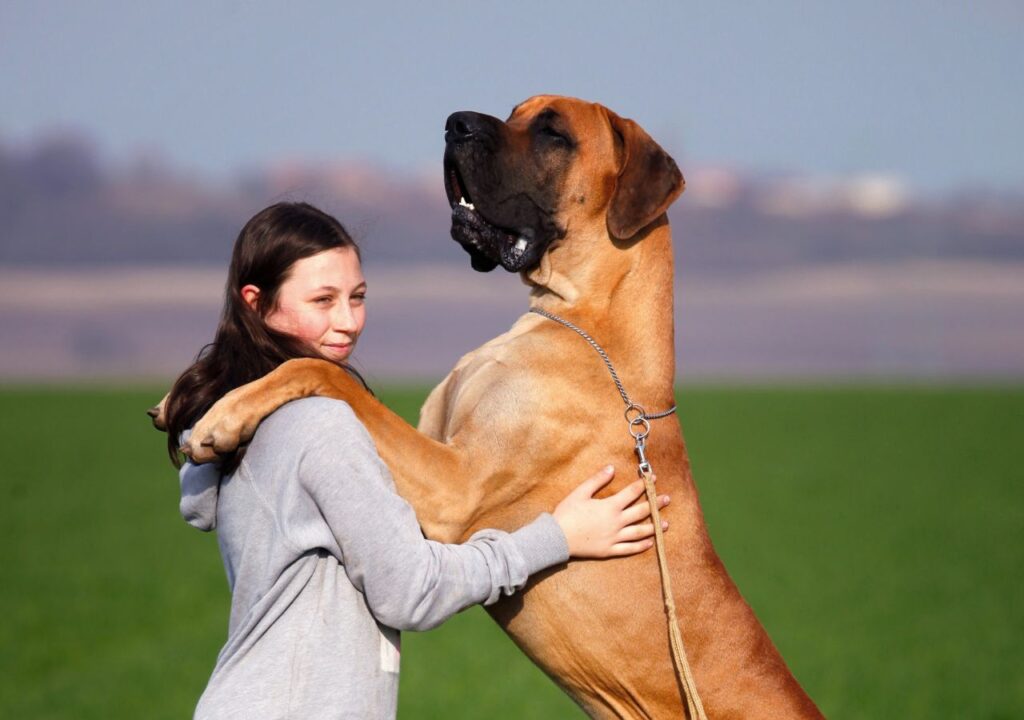
Many people believe the ‘7 dog years’ rule, but size and genetics tell a different story. Larger breeds like Great Danes age more rapidly, entering their senior years as early as age six. Contrarily, smaller breeds, such as Chihuahuas, often enjoy longevity, sometimes reaching the ripe age of 16 years. Genetics also factor heavily; certain breeds are predisposed to genetic conditions that may shorten their lifespan. According to a study published by the American Animal Hospital Association, understanding these nuances helps pet owners better anticipate the varying needs of their dogs as they age.
7. Environmental and Lifestyle Factors
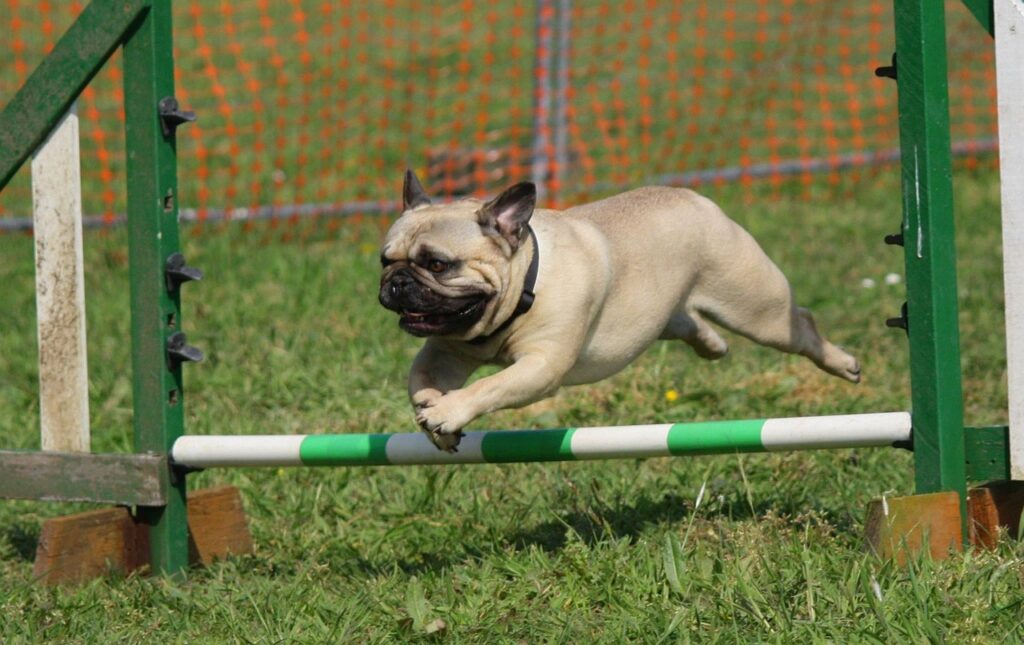
A pup’s environment and lifestyle significantly influence its aging process. Dogs that enjoy regular exercise, a balanced diet, and mental stimulation tend to thrive longer. Conversely, sedentary lifestyles and poor nutrition can accelerate aging signs. Ensuring your dog’s environment is enriched with toys, walks, and social interactions can stave off both physical and mental decline. As research suggests, attentive care tailored to a dog’s specific needs not only enhances longevity but also improves quality of life, underscoring the complexity beyond the simplistic ‘7-year’ calculation.