
Long before modern urban life took hold, early settlers may have stared in awe at the enormous mammoths and woolly rhinoceroses roaming the plains. These megafauna were essential to the ecosystem, not just for their size but also for their impact on the environment. They shaped the landscapes by grazing vast areas, facilitating plant growth, and supporting a diverse range of life. Their sheer size and power, however, made them impossible to domesticate, forever marking them as living legends of a bygone era.
Encountering the Untamable Wilds
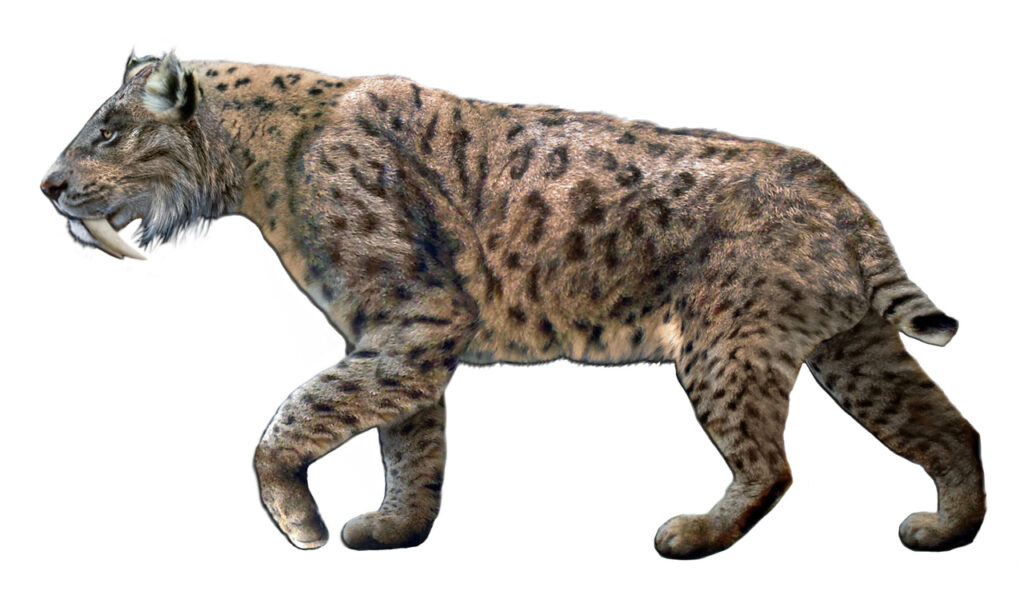
Imagine locking eyes with the ferocious saber-toothed cat. Its long, dagger-like canines and powerful build made it a formidable predator, a creature to be revered and respected, not tamed. These predators ruled their territory with grace and strength, keeping herbivore populations in balance. The respect they commanded from humans was due to their sheer wildness and instinctual prowess, underscoring their role as vital apex predators in maintaining the harmony of their natural habitats.
Unexpected Giants of the Forests
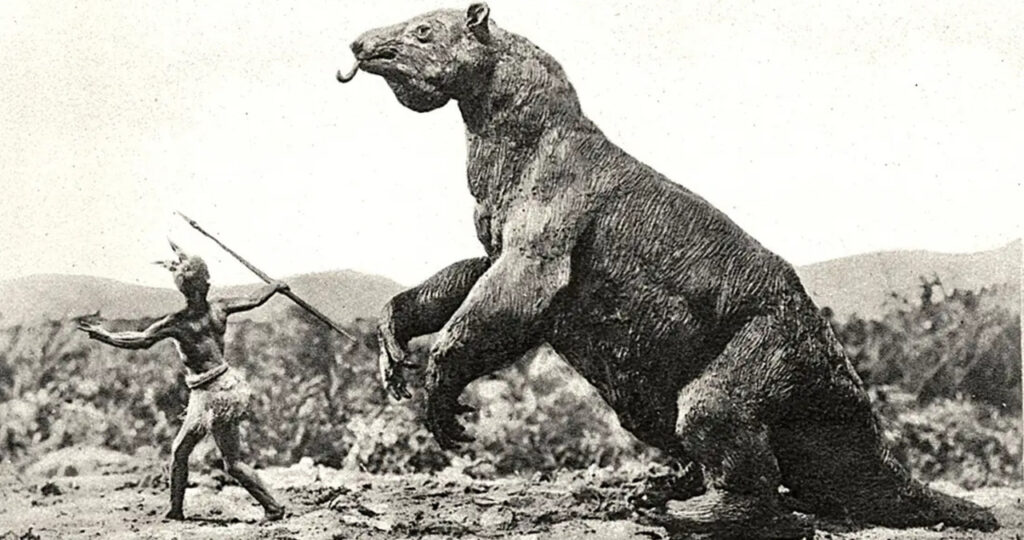
The forests were home to ancient creatures of formidable size, like the ground sloths and giant beavers. These giants were gentle vegetarians but their size made them dominant figures among the trees. They played a crucial role in shaping the dense forests, breaking branches and spreading seeds. Despite their gentle nature, their needs for vast areas and specific habitats made them unsuitable for domestication, leaving them to command the forests with quiet dignity and profound influence.
The Elusive Kings of the Skies
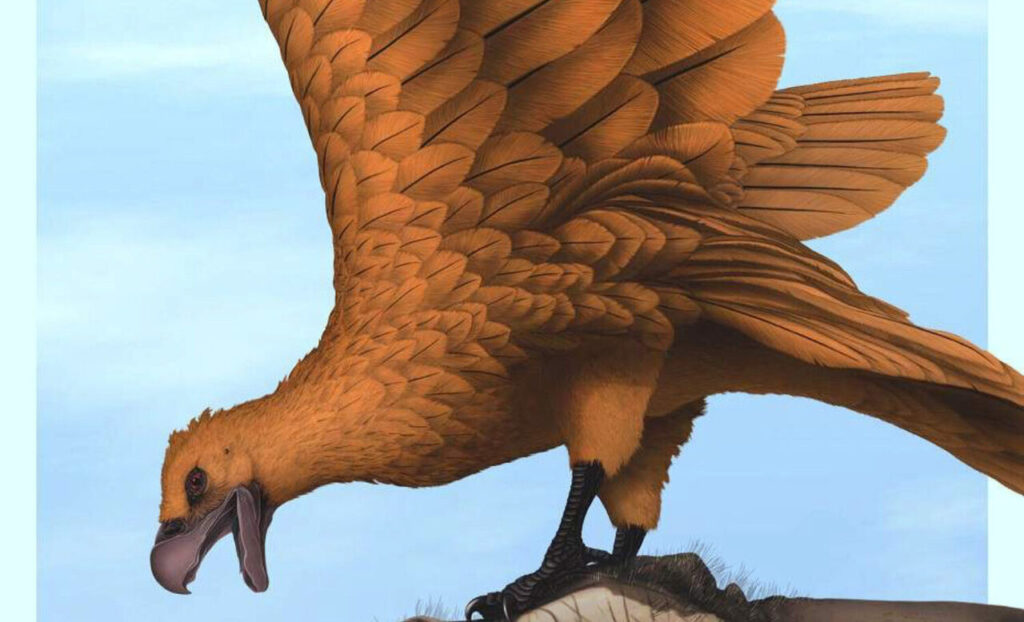
The skies during ancient times were ruled by majestic birds, such as the prehistoric teratornis. With wingspans reaching nearly 20 feet, these airborne giants amazed those who caught sight of them. Their ability to soar for miles with minimal effort exemplifies nature’s precision and artistry. Yet, their need for extensive territories and particular environmental conditions highlighted the impossibility of capturing their essence in captivity, keeping them as kings of the skies, untouchable and free.
Serpentine Wonders of the Old World
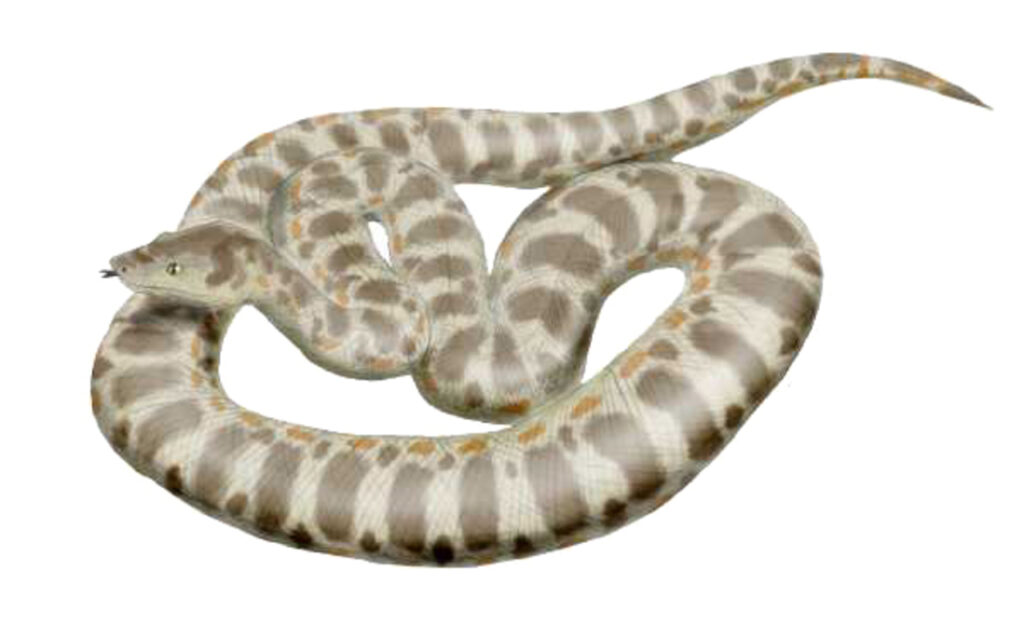
The ancient landscapes were not just the domain of mammals and birds; prehistoric serpents, some exceeding 40 feet in length, slithered through the dense foliage. These snakes played vital roles as both predator and prey, maintaining the delicate balance of their ecosystems. Their immense size and secretive nature earned them a mixture of fear and admiration. As captivating as they were, their dependency on vast, specific habitats emphasized the futility of attempting to domesticate these incredible reptiles, leaving them to roam untamed.
Aquatic Mysteries of Ancient Waters
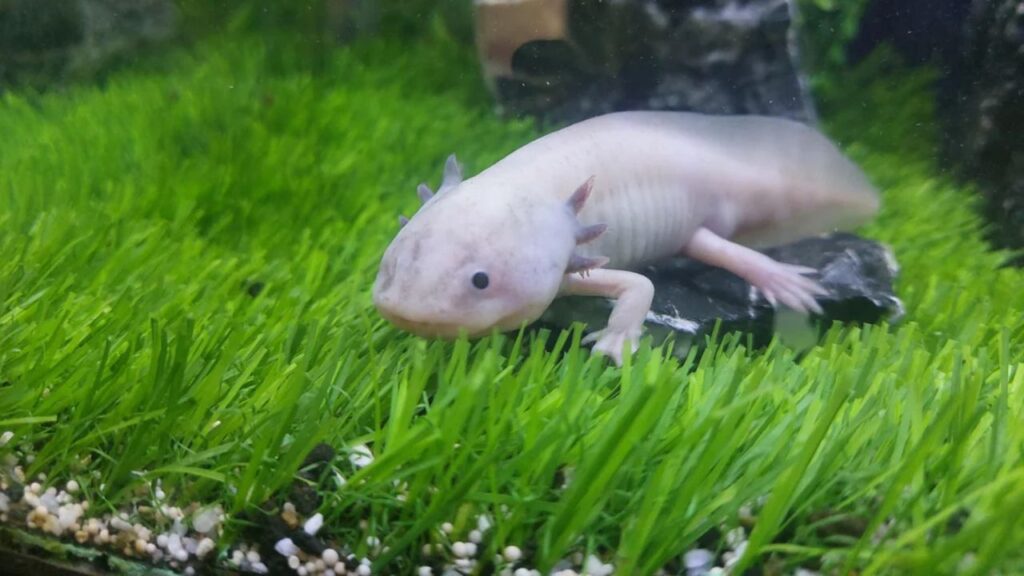
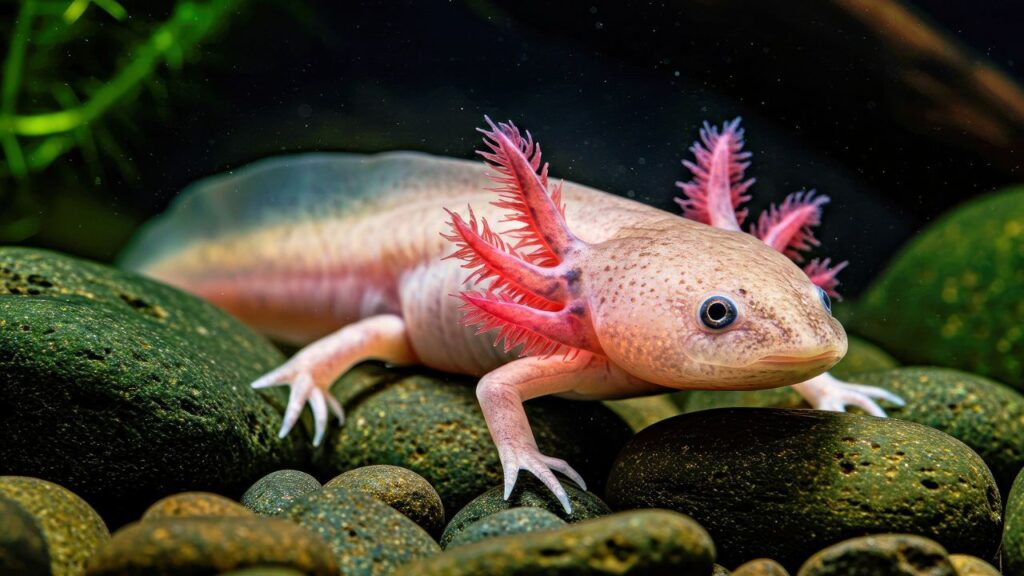
Imagine the early settlers peering into crystal-clear lakes and rivers, discovering aquatic wonders like the mesmerizing axolotl. This unique aquatic creature, with its feathery gills and perpetual grin, captured the imagination of all who glimpsed it. Native to Mexican lakes, the axolotl boasts incredible regenerative abilities, able to regrow limbs with an ease that defies belief. Despite its charm, the axolotl thrives in specific environmental conditions and plays a vital role in its ecosystem. According to the International Union for Conservation of Nature (IUCN), preserving its natural habitat is crucial to prevent its extinction.
Fascinating Beasts Beyond the Horizon
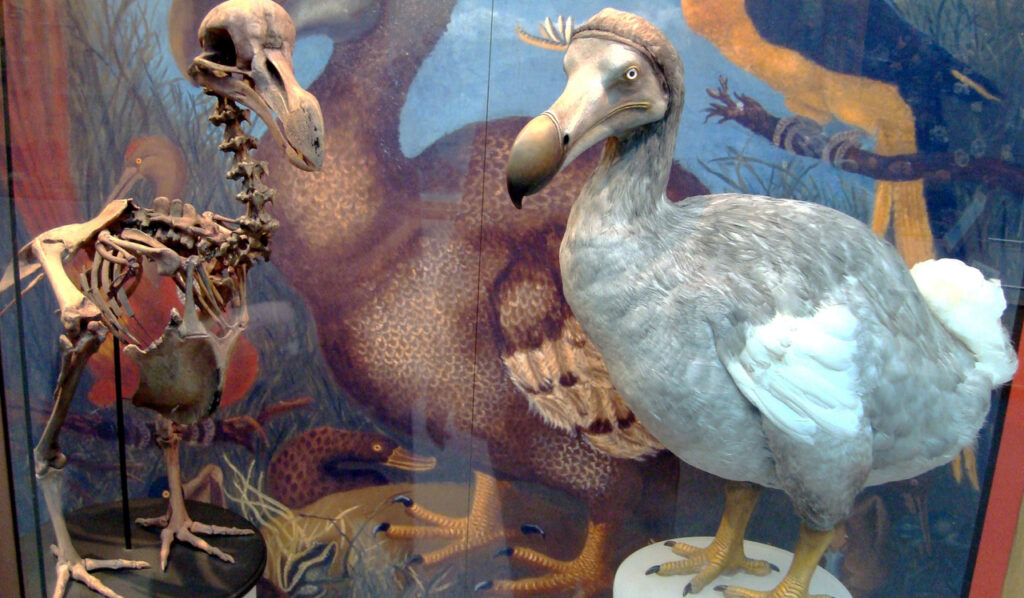
Beyond the horizon, early explorers might have encountered the dodo, a large flightless bird with a gentle demeanor. Native to Mauritius, the dodo’s curiosity and lack of natural fear made it tragically easy prey for human settlers and introduced predators. Unfortunately, the dodo’s inability to fly and its ecological naivety led to its extinction in the late 17th century. Today, the dodo symbolizes the fragility of isolated ecosystems, reminding us of the delicate balance required to maintain biodiversity.
Fostering awareness through education helps protect endangered species across the globe.