

Most animals have some way to rid their bodies of bad food, but rabbits are a surprising exception. Despite their sensitive stomachs and tendency to nibble on almost anything, these furry creatures lack the ability to vomit. This curious fact often catches new rabbit owners off guard, especially when their pet shows signs of an upset stomach. So why can’t rabbits throw up—and what does that mean for their health and care? The answer lies deep in their unique anatomy and evolutionary history.
1. Unique Digestive System of Rabbits
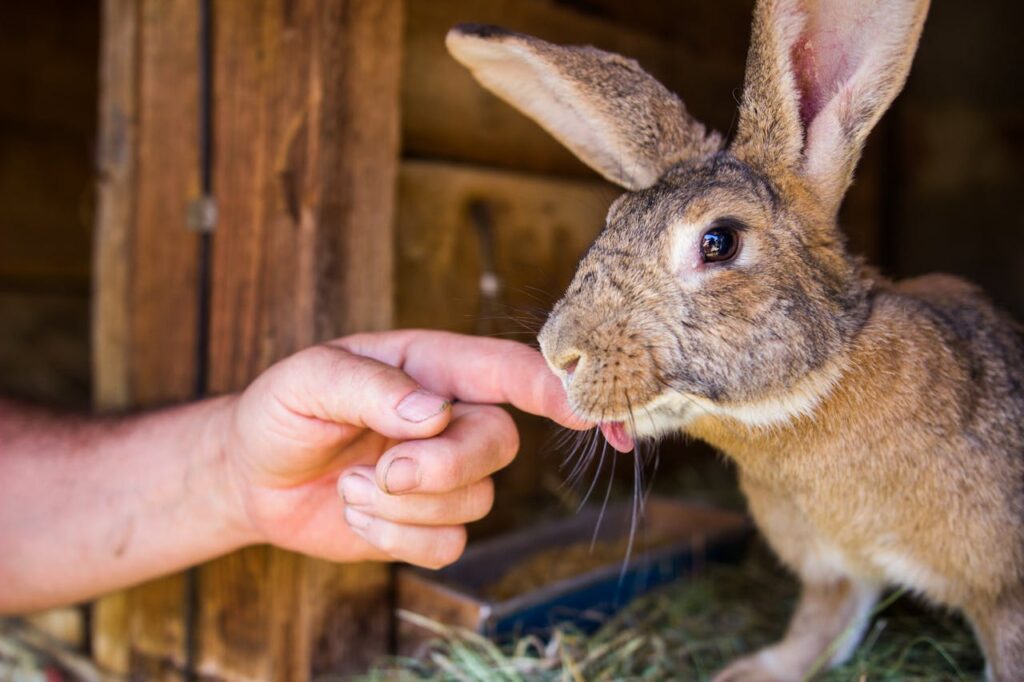
Rabbits have a wonderfully complex digestive system that sets them apart from many other animals. Unlike humans, rabbits cannot vomit because their stomach muscles lack the strength to push contents back up the esophagus. Instead, their digestive tract is designed to efficiently process fibrous plant materials. They rely on a unique process known as hindgut fermentation, where food is digested twice to extract every nutrient possible. This incredible arrangement allows them to thrive on a diet that might seem meager to others but suits their herbivorous lifestyle perfectly.
2. Rabbits and Regurgitation
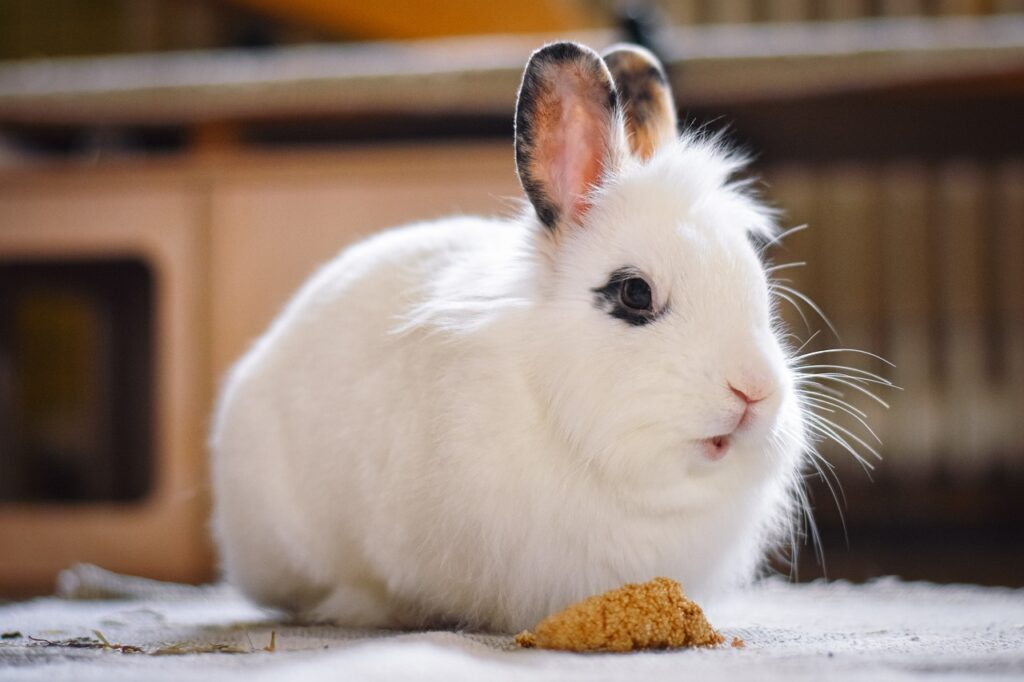
Regurgitation is not a part of a rabbit’s repertoire due to their anatomical structure. The cardiac sphincter, a valve that connects the esophagus to the stomach, is incredibly strong in rabbits, preventing the backflow of food. This adaptation makes sense in the wild, where avoiding predators takes precedence over escaping potential food poisoning through vomiting. Rather than turning to regurgitation when faced with something unpleasant, rabbits depend on their highly sensitive sense of smell to detect and avoid harmful substances.
3. How Rabbits Manage Indigestion
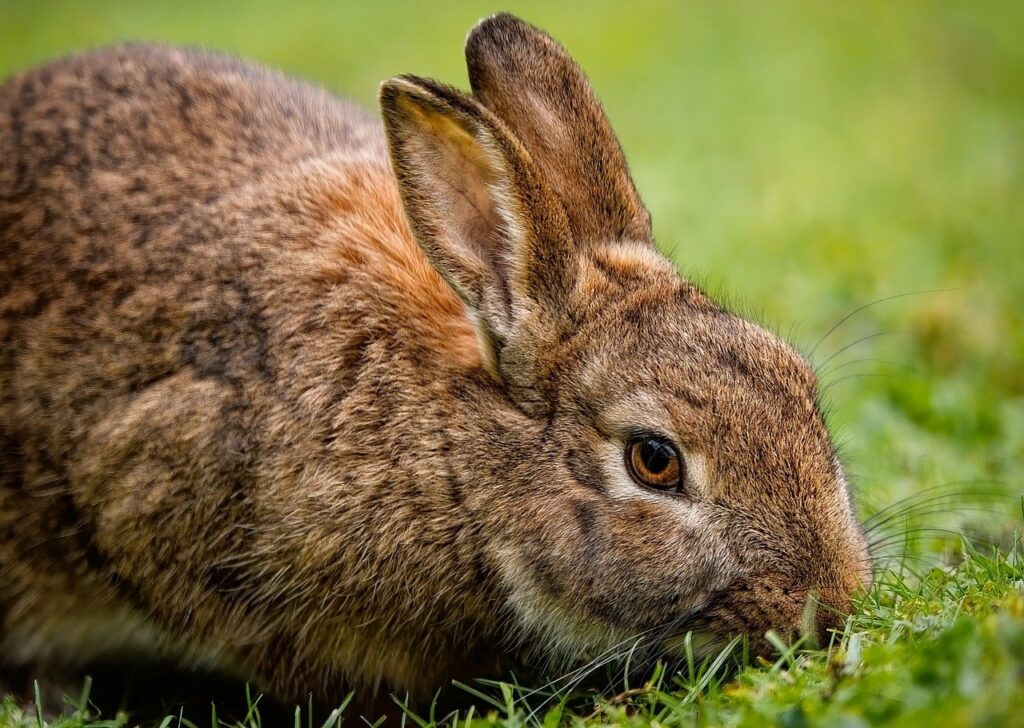
Without the ability to vomit, rabbits have developed other mechanisms to handle indigestion. One of the most intriguing methods is the production of cecotropes, nutrient-rich droppings that rabbits consume directly from their body. This behavior, known as coprophagy, allows rabbits to absorb essential nutrients that weren’t digested the first time. It’s an efficient solution, ensuring they remain healthy even when their dietary intake isn’t optimal. Owners should ensure a high-fiber diet to support this natural digestive process effectively.
4. The Role of a Rabbit’s Diet

A rabbit’s diet is critical to its health and vibrancy. These animals require a high-fiber intake, primarily sourced from hay and fresh greens, to maintain optimal digestive function. Fiber not only helps keep their gut moving but also wears down their constantly growing teeth. Providing a balanced diet rich in fiber prevents gastrointestinal stasis—a potentially life-threatening condition—and ensures rabbits don’t suffer from severe digestive issues. Adding root vegetables like carrots is fine in moderation, but they should never replace their fibrous foundation.
5. Common Health Issues in Rabbits

Rabbits are prone to certain health issues that owners need to watch for, particularly related to their unique digestive system. Conditions such as gastrointestinal stasis, where the gut slows down or stops, and dental problems due to improper wear of their teeth are common. Monitoring their food intake and ensuring consistent availability of fresh water can help mitigate these issues. Regular vet check-ups are crucial, as early detection can prevent many common problems. Being aware of these potential health concerns can help ensure that pet rabbits lead happy, healthy lives.
6. Preventing Digestive Problems
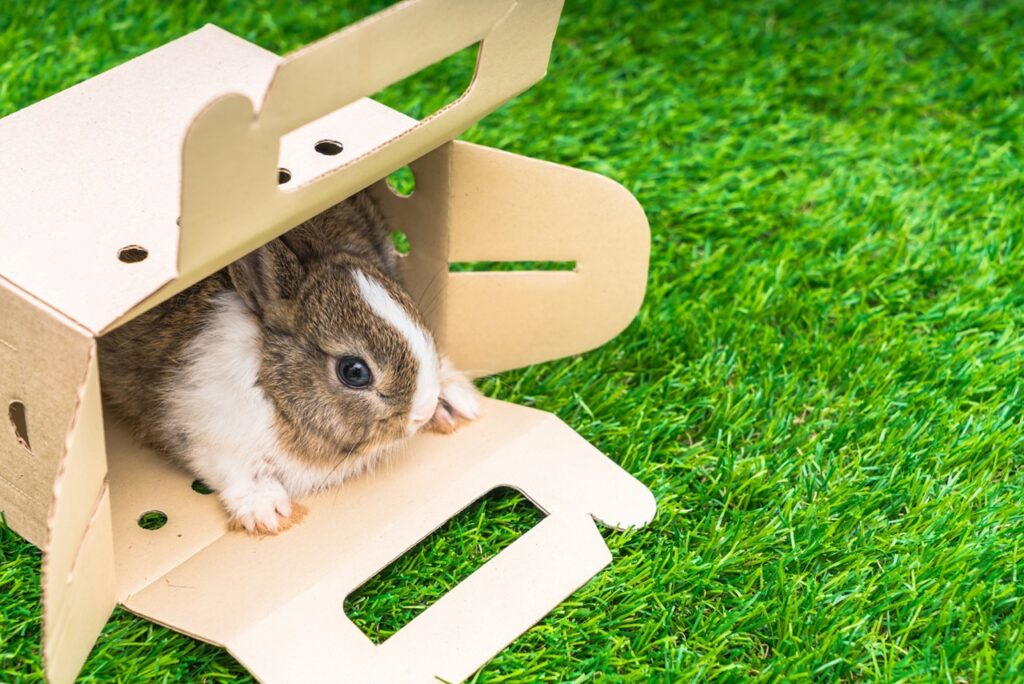
Rabbits are unique creatures with a fascinating digestive system designed to process a high-fiber diet. Unlike many other animals, they lack the ability to vomit, which is why maintaining their digestive health is crucial. A diet rich in hay not only keeps their teeth in check but also ensures that their gut flora stays balanced. Fresh vegetables and a limited amount of pellets can provide additional nutrients, but steer clear of high-sugar foods like fruits. Monitoring your rabbit’s eating habits and ensuring they have constant access to fresh water can prevent gastrointestinal stasis, a potentially life-threatening condition.