
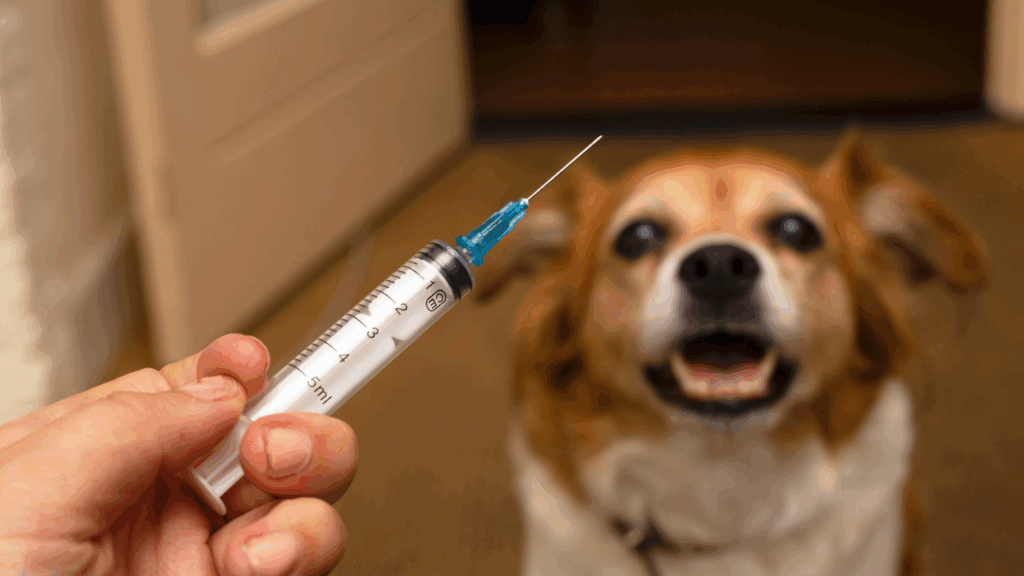
If you think keeping your pet indoors protects them from all health risks, you’re not alone—but it’s a dangerous assumption. Many pet owners believe that vaccines are only necessary for animals that roam outside, but indoor pets aren’t as sheltered as you might think. From airborne viruses to unexpected escapes or visits to the vet, the risks are real. Skipping vaccinations could leave your pet vulnerable to serious, preventable diseases. Here’s why they still need protection.
Understanding Indoor Pet Health Risks
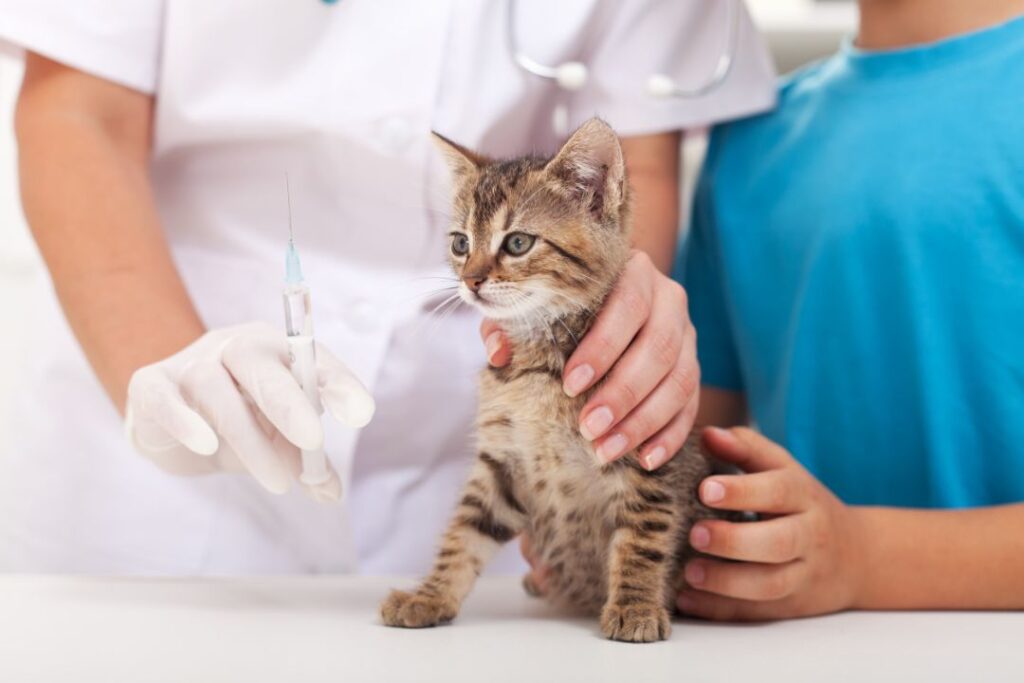
You might think that keeping your furry friend indoors shields them from all harm. However, the reality is quite different. Indoor pets can still be exposed to various health risks. From airborne viruses seeping in through windows to diseases brought home on your clothing, these dangers lurk closer than you might expect. Furthermore, indoor environments can sometimes lead to limited physical activity, increasing susceptibility to certain illnesses. Understanding these risks is the first step in ensuring your pet leads a healthy, happy life indoors.
Common Misconceptions About Indoor Pets
Many pet owners believe that because their pets are indoors, they are inherently safer and healthier. This common misconception often leads people to neglect routine care such as vaccinations. While indoor pets might avoid some hazards, they are not immune to diseases. Erroneous beliefs can lead to vulnerabilities, as indoor pets can still contract infections from other animals or environmental sources. Trusting outdated myths without consulting modern veterinary advice leaves your beloved companion at unnecessary risk.
Why Vaccinations Are Essential

Vaccinations play a crucial role in protecting indoor pets from illnesses that could otherwise cause serious harm. These protective shots work by stimulating the immune system to recognize and fight off specific infections, providing a line of defense that indoor life alone cannot guarantee. According to veterinary experts, keeping up with vaccinations is vital, not just for the health of your pet but for public health as well. Ensuring your pet is vaccinated protects them, your family, and your community from potential outbreaks.
Protecting Against Indoor-specific Diseases

Indoor life presents unique challenges, with diseases such as feline leukemia and certain respiratory infections posing a threat even without outdoor exposure. These indoor-specific diseases can be inadvertently transmitted through new pets or even your friends and family. Vaccinations specifically targeting these threats offer peace of mind. By safeguarding your pet with effective immunizations, you reduce the possibility of these diseases affecting them, ensuring a safer and more protected indoor environment.
The Role of Immunizations in Long-term Health

Long-term health isn’t just a matter of daily exercise and a balanced diet; vaccinations are a cornerstone of your pet’s enduring wellbeing. These critical immunizations build a robust immune system that can resist not only well-known diseases but potentially emergent ones as well. Vaccinated pets tend to have fewer health complications and live longer, healthier lives. Investing in preventive healthcare through routine vaccinations is an integral aspect of pet ownership, promising extensive benefits for both you and your cherished companion.
Addressing Vaccine Concerns and Myths
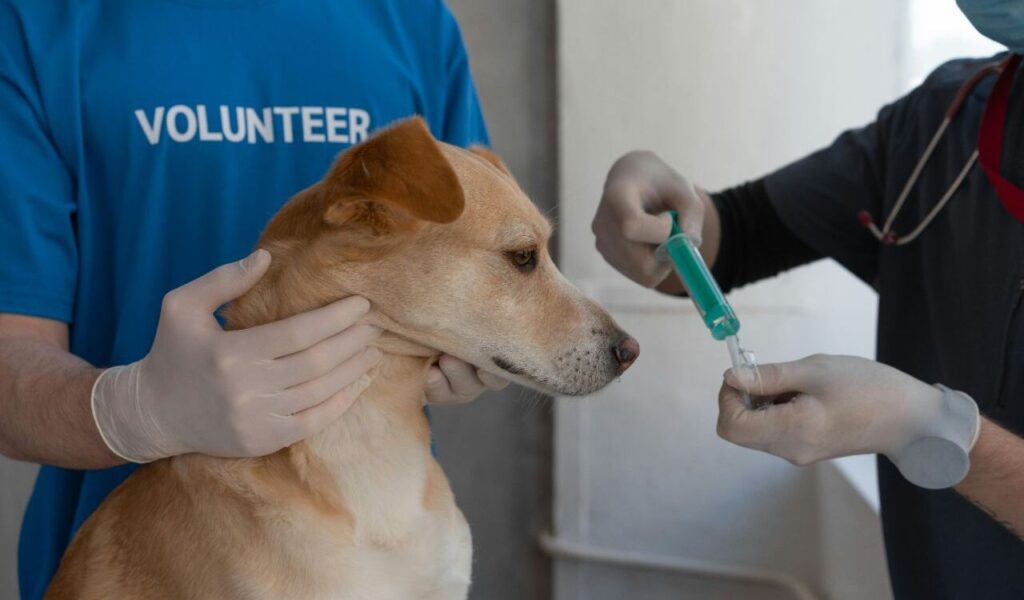
Many pet owners ponder whether indoor pets truly need vaccines. After all, if a pet rarely encounters the outside world, are they really at risk? However, experts emphasize the importance of vaccination, explaining that airborne diseases or those carried indoors via shoes or clothes can pose threats. Common myths, such as vaccines causing illness, often overshadow the benefits of preventative care. Science firmly supports the role of vaccines in bolstering pet health by introducing a controlled exposure to diseases, building immunity safely without the risk of natural infection.
How to Keep Your Indoor Pet Healthy

A nurturing environment doesn’t stop at vaccines. Providing your indoor pet with fresh water, a balanced diet, and mental stimulation is crucial for their overall health. Regular cleaning of their living space prevents the buildup of bacteria or parasites. Engaging toys or activities mimic natural behaviors, preventing boredom and promoting mental well-being. Indoor pets need exercise too; allocating time for physical play safeguards against obesity and related health issues. The cornerstone of pet health is vigilance, knowing when something isn’t quite right, and addressing potential issues promptly.
Routine Check-Ups: More Than Just Vaccines
Routine veterinary visits are paramount, extending beyond vaccinations. These visits serve as comprehensive check-ups that can catch health issues early. Vets examine everything from dental health to potential weight issues, ensuring your pet remains fit. According to data, regular checks increase life expectancy and reduce emergency visits. Building a relationship with a vet also means having guidance on changes in your pet’s health or behavior — key to preventing minor issues from snowballing into major concerns. Ultimately, these visits pave the way for a happier, healthier life.
Key Vaccines for Indoor Pets

While indoor life limits exposure, certain vaccines are non-negotiable. Core vaccines for cats include FVRCP, guarding against feline distemper and respiratory viruses, while for dogs, distemper, parvo, and rabies vaccines are critical. Each of these protects against pervasive diseases that can make their way indoors in various forms. Rabies is particularly vital as it involves legal requirements in many regions. Depending on local disease prevalence, vets might suggest additional vaccines. Customizing this protection ensures peace of mind, knowing your pet is safe even within the confines of home.
Planning a Vaccination Schedule
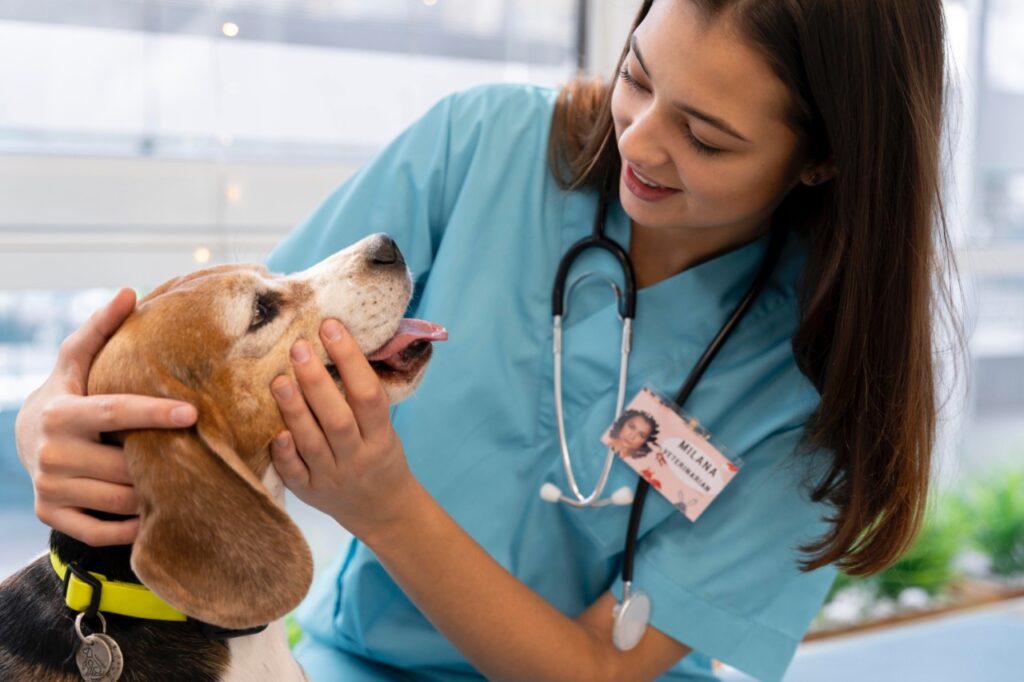
Creating an effective vaccination schedule involves aligning with your vet to tailor shots according to age, health status, and lifestyle. Puppies and kittens typically start their vaccination series around 6-8 weeks of age, with boosters following at specified intervals to build enduring immunity. For adult pets, maintaining a schedule helps reinforce protection. Record-keeping is crucial to track what’s needed and when; many clinics offer reminders to help you stay on top of these dates. With a thoughtful approach, vaccinations integrate seamlessly into a care routine, supporting lifelong health.