
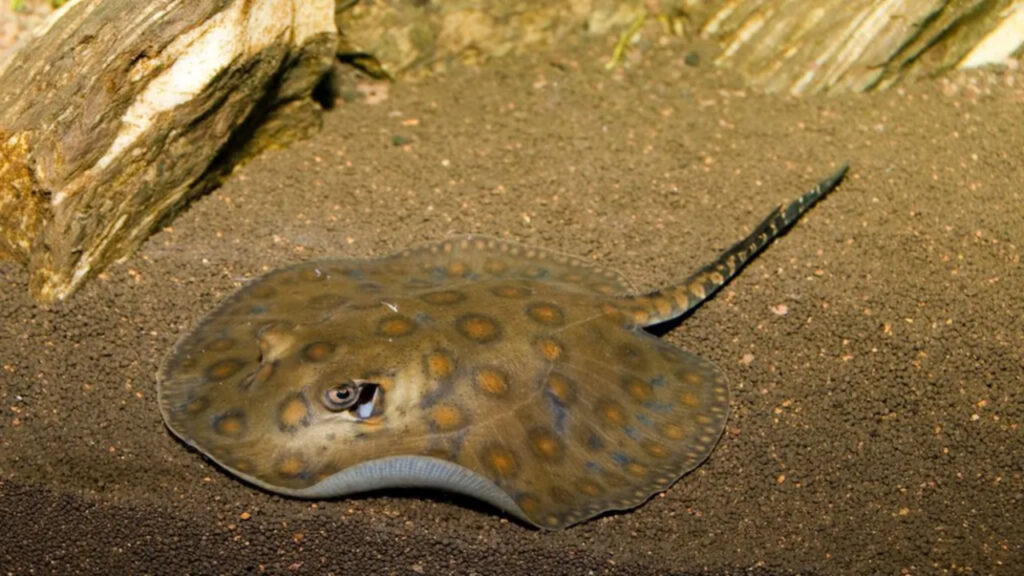
Imagine witnessing a marvel of nature: a stingray giving birth without ever encountering a male. That’s exactly what happened at a Chicago aquarium, where a female stingray named Charlotte stunned caretakers by producing two healthy pups through parthenogenesis, a rare form of asexual reproduction. As reported by the BBC, this astonishing event has fascinated scientists and highlighted the unexpected ways life can adapt and persist, even in captivity.
The Science of Virgin Birth
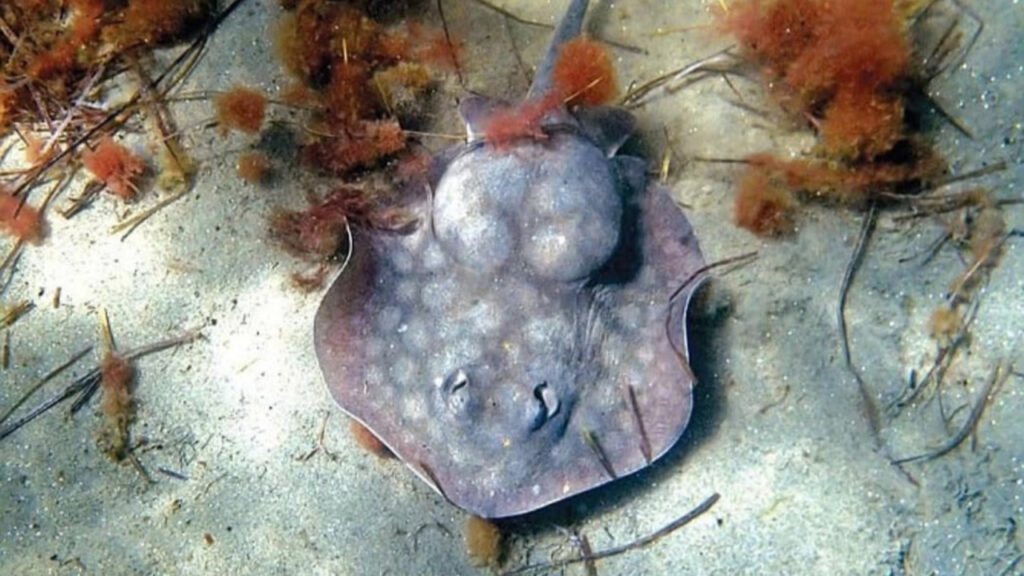
So, how did this stingray manage such a miraculous feat? The answer lies in parthenogenesis, a form of asexual reproduction where an egg develops into an organism without fertilization. According to recent studies, such phenomena occur in both captive and wild environments, though they’re still quite rare. Scientists suggest that this reproductive strategy may act as an “emergency backup” when males are absent, showcasing the incredible adaptability of some species.
Parthenogenesis: Nature’s Miracle
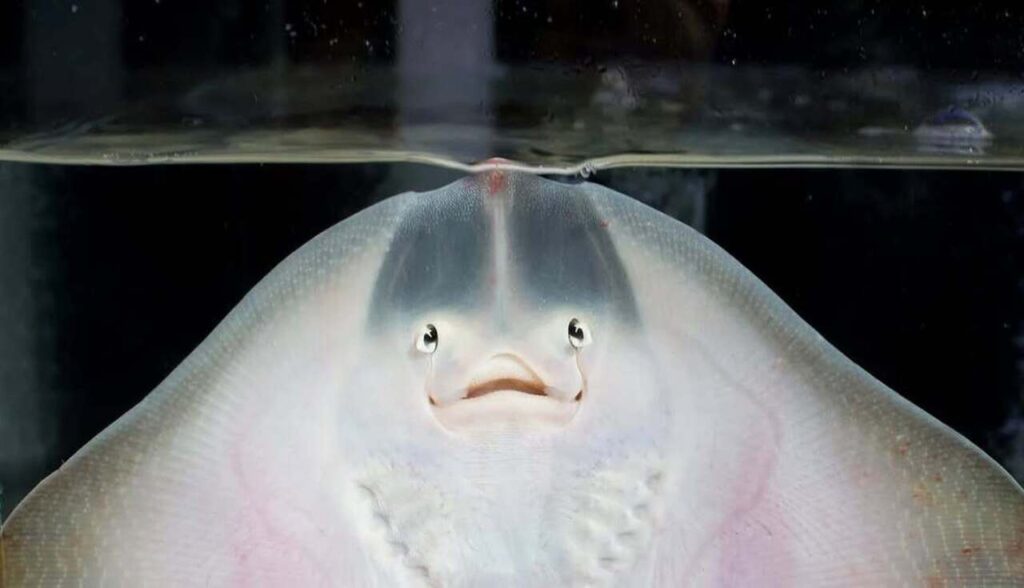
Parthenogenesis isn’t just a quirk of stingrays; it’s a fascinating aspect of nature that’s seen in several other species, from plants to certain reptiles and birds. It allows species to thrive even when mating partners are scarce, ensuring survival. This type of reproduction has its challenges, like reduced genetic diversity, yet remains a powerful evolutionary tool. Spot’s story provides a fresh glimpse into how life continues to surprise us, always finding a way to persevere.
Examples in the Animal Kingdom
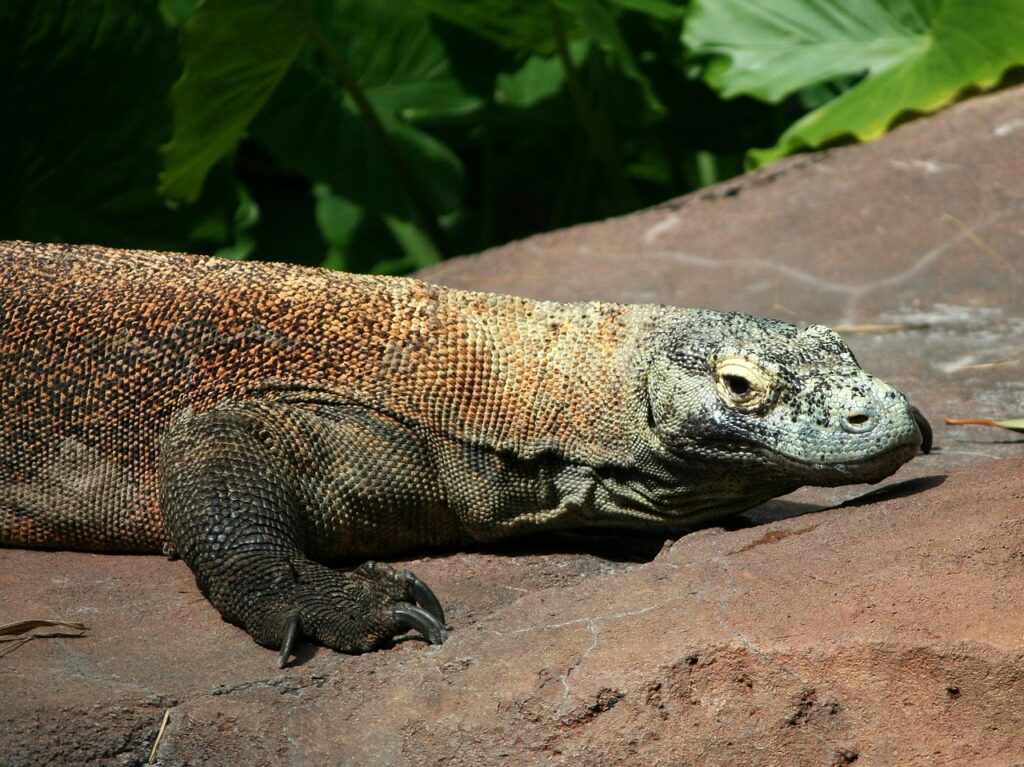
Apart from stingrays, parthenogenesis has been observed in other creatures such as the komodo dragon, certain sharks, and some snake species. These instances often arise in captivity where encounters with the opposite sex are limited. Each example underscores nature’s ingenuity, proving that reproductive flexibility can be vital in situations where finding a mate is impossible. These parthenogenetic births serve as both cultural fascinations and scientific intrigue.
Implications for Conservation
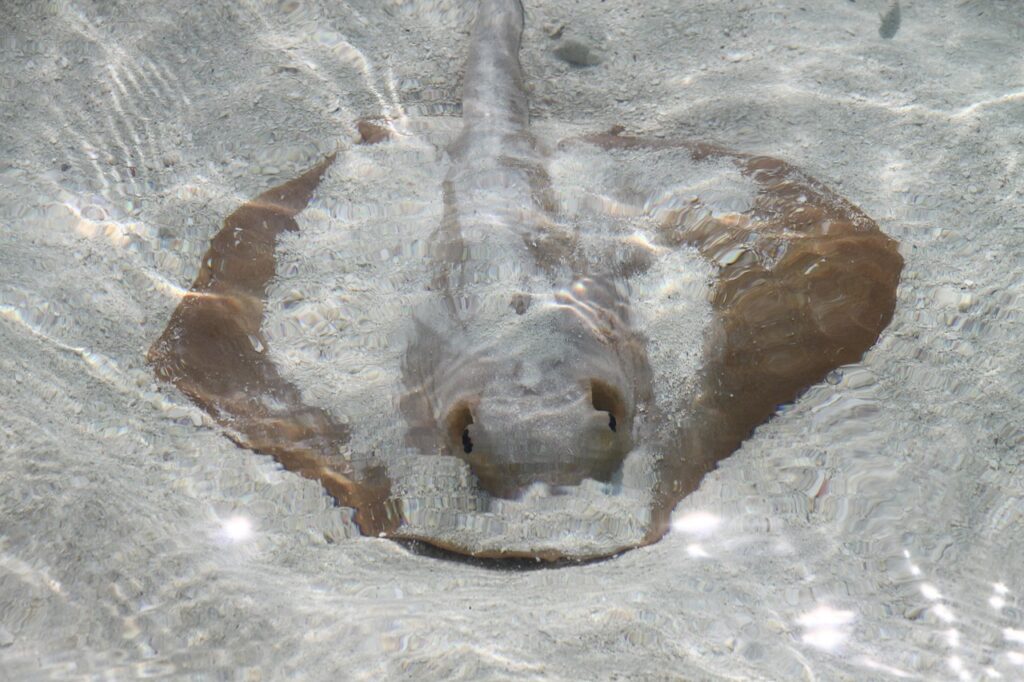
Parthenogenesis could have significant implications for conservation efforts, especially for endangered species with dwindling populations. By understanding and potentially harnessing this process, conservationists might offer a lifeline to species teetering on the brink of extinction. However, challenges like maintaining genetic diversity remain. Spot’s unexpected birth may enhance interest and research, paving the way for new strategies in wildlife conservation, driven by the wonders of natural reproduction.
What This Means for Stingray Research
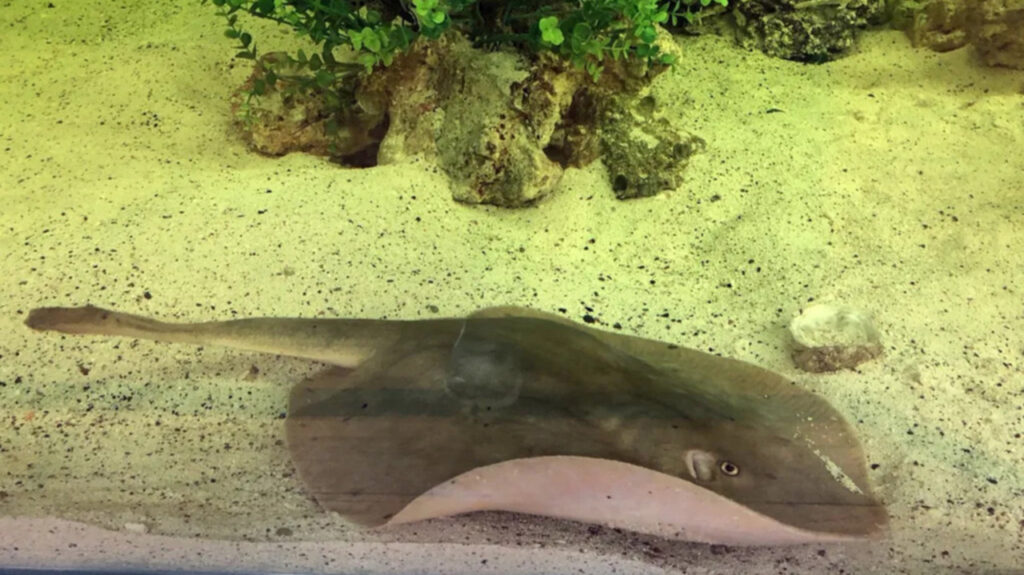
Imagine the intrigue as scientists uncover nature’s secrets—like a stingray having babies without ever meeting a male. This mind-boggling phenomenon is called parthenogenesis, a form of asexual reproduction where females produce offspring without male fertilization. Researchers are keenly studying this in stingrays to understand its triggers and evolution. Since parthenogenesis can occur under certain environmental pressures and is documented in several marine species, it opens doors to new exploration in genetic diversity and survival strategies.
The Unseen Wonders of Marine Life
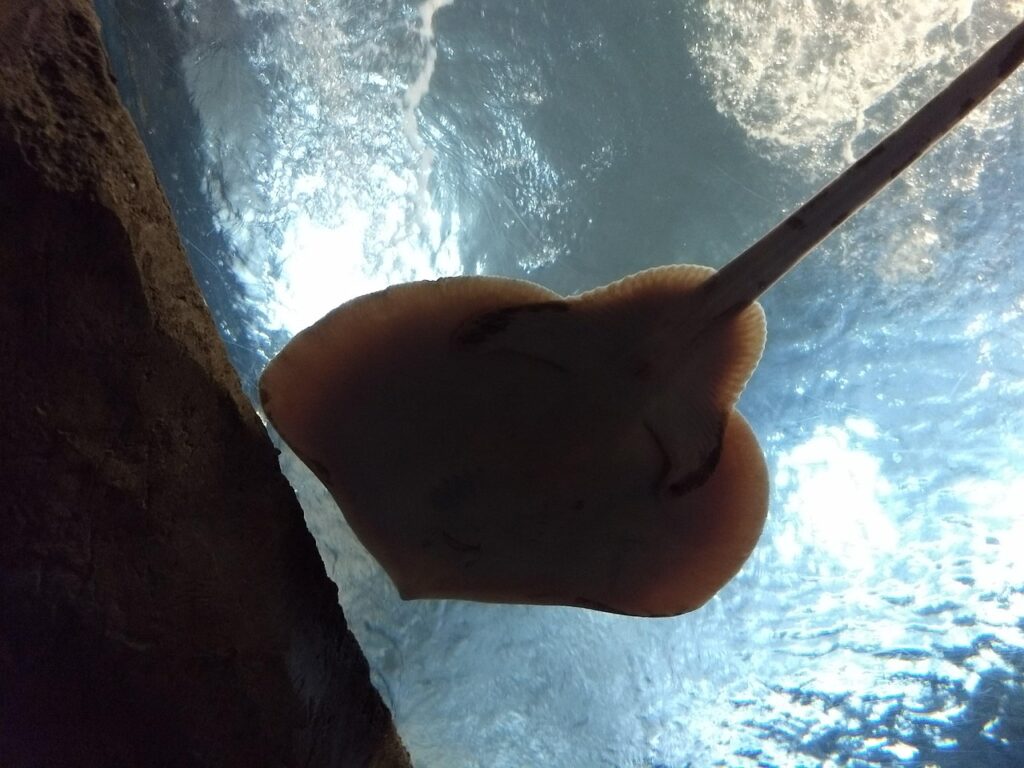
The marine world hides exceptional treasures beneath its waves, and stingrays are a stunning testament to nature’s adaptability. Their ability to reproduce without a mate shifts our understanding of ocean resilience and complexity. Stingrays, with their graceful movements and an evolutionary tale as captivating as the seas they inhabit, unveil new layers of marine biodiversity. As guardians of their ecosystem, they remind us of the marvels that dwell in the watery depths, waiting to be discovered and preserved.