

Shark encounters, while often sensationalized, are incredibly rare. According to research from the Florida Museum of Natural History, the odds of being attacked by a shark are less than one in four million. This rarity highlights a fascinating intersection between human activity and marine ecosystems. Sharks, often misunderstood as aggressive predators, tend to avoid interactions with humans. Their ancient survival tactics prioritize stealth and caution, making any encounter a curious occurrence in the dance between humans and marine life.
1. Insights from Shark Experts

Shark experts emphasize that most sharks pose no danger to humans. Dr. Gavin Naylor from the International Shark Attack File states that curiosity, rather than aggression, usually prompts sharks to approach humans. Many encounters occur when sharks mistake people for prey like seals. Experts have found that knowing when and where these majestic creatures are likely to appear can help minimize encounters. Understanding the habits of sharks aids in debunking myths, replacing fear with awe towards these incredible, evolutionary wonders.
2. Patterns in Shark Behavior

Sharks follow distinct patterns, often influenced by environmental changes. Many species rely on water temperature, tides, and even lunar cycles to dictate their movements. For example, great white sharks often travel along coastlines during specific seasons. Recognizing these patterns allows us to predict their locations. This understanding can transform beaches from places of fear to zones of respectful awareness. By recognizing these behavioral rhythms, we can coexist peacefully with these oceanic residents.
3. Factors Contributing to Encounters

Several factors increase the likelihood of shark encounters, including fishing activities and water clarity. Overfishing can alter sharks’ natural feeding grounds, pushing them closer to shores. Murky waters, too, confuse sharks, making them more prone to mistakes in identifying objects or prey. Additionally, human activities like surfing or swimming at dawn or dusk, when sharks are more active, play a role. By understanding these contributing elements, we can adapt our behavior to reduce encounter risks.
4. Safety Measures for Swimmers

For those seeking the thrill of the ocean’s embrace, safety is paramount. Avoid swimming in areas with active baitfish, as these can attract hungry sharks. Traveling in groups and refraining from wearing shiny jewelry—which can resemble fish scales—might decrease attention from curious sharks. Stick to patrolled beaches, and heed any local shark warnings. By appreciating and respecting the ocean’s fauna, swimmers can enjoy its stunning beauty while maintaining a safe distance from its wild inhabitants.
5. What Triggers Sharks?

Sharks are often misunderstood as mindless predators, yet their interactions with humans are usually accidental. Most shark species are naturally curious, and their investigative bites are typically exploratory rather than aggressive. According to marine biologists, disturbances in the water, such as splashing or erratic movements, can trigger a shark’s interest, but these behaviors are rarely intended to harm. Sharks rely heavily on their acute sense of smell and electroreception to navigate their environment, which sometimes leads them to investigate unfamiliar human activity.
6. Human-Shark Interaction Myths

Many believe that sharks intentionally hunt humans, a myth that distorts our understanding of these complex creatures. In reality, shark attacks are extremely rare. Statistics from the International Shark Attack File reveal that the chances of being attacked by a shark are significantly lower than other common risks, such as lightning strikes. Sharks often mistake humans for their usual prey due to limited visibility. It’s crucial to dispel myths that paint sharks as villains and instead focus on their essential role in marine ecosystems as apex predators.
7. Technological Advances in Research

Recent technological advancements have revolutionized shark research, offering new insights into their behavior and movement. Satellite tagging and drone surveillance allow scientists to track shark migrations and habits with unprecedented accuracy. By understanding these patterns, researchers can better predict potential human-shark interactions. Innovative tools, like underwater cameras and acoustic tags, provide valuable data on how sharks respond to environmental changes and human presence, helping to enhance both shark conservation and swimmer safety measures.
8. Future Perspectives on Shark Safety
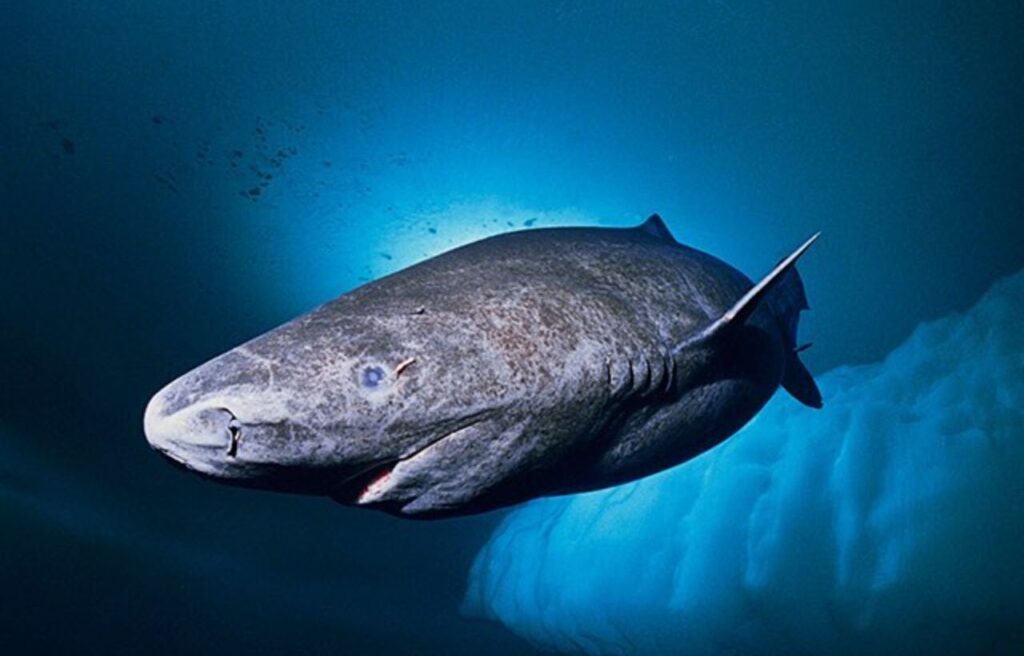
Looking ahead, experts are focusing on harmonizing ocean activities with shark conservation to ensure mutual safety. Emerging technologies and predictive models are promising tools in creating safer waters without harming marine life. Educational programs are vital in reshaping public perceptions and promoting coexistence. As we deepen our understanding of these majestic creatures, the goal remains to foster a respectful cohabitation, ensuring oceans are safe for both sharks and people while preserving the ecological balance they maintain.