
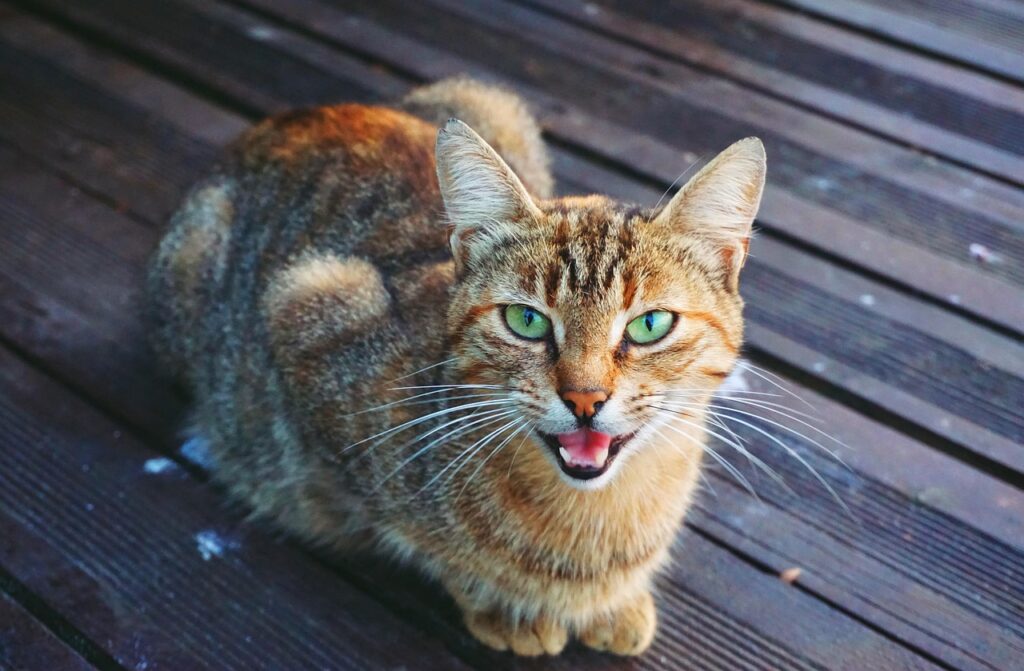
If you’ve ever been owned by a cat, you know that special sound they save just for you—the meow. Unlike any other vocalization in the animal kingdom, a cat’s meow is a direct line of communication between felines and humans. It’s intriguing how these independent creatures tailor their voices specifically for us. This isn’t just a random sound; it’s a calculated message crafted over thousands of years of cohabitation. Understanding the complexities behind these tailored vocalizations deepens our appreciation of the human-feline bond.
The Origins of Cat Communication

Cats initially didn’t have much of a reason to meow. Their ancestors relied more on body language and scent to interact with each other. With time, however, as cats and humans began sharing spaces more closely—thanks to agriculture and settlement—vocalization took on a new role. Ancient cats likely didn’t vocalize at the levels we see today, but as humans began responding positively to certain sounds, these creatures adapted to communicate better with us, tapping into an entirely new dimension of their social toolkit.
How Meows Evolved as a Tool

Pet cats learned that short, sweet meows often resulted in food or affection. Over generations, cats refined their meowing to alert, request, and even persuade their human companions. Their ability to modulate pitch and length makes these vocalizations incredibly versatile. Some meows have a musical quality, while others might sound more demanding. This evolution illustrates how adaptive cats are, mastering a variety of vocal tones, from purrs to chirrups, fundamentally designing their communication style to fit the human auditory preference.
Unique Sounds for Human Interaction
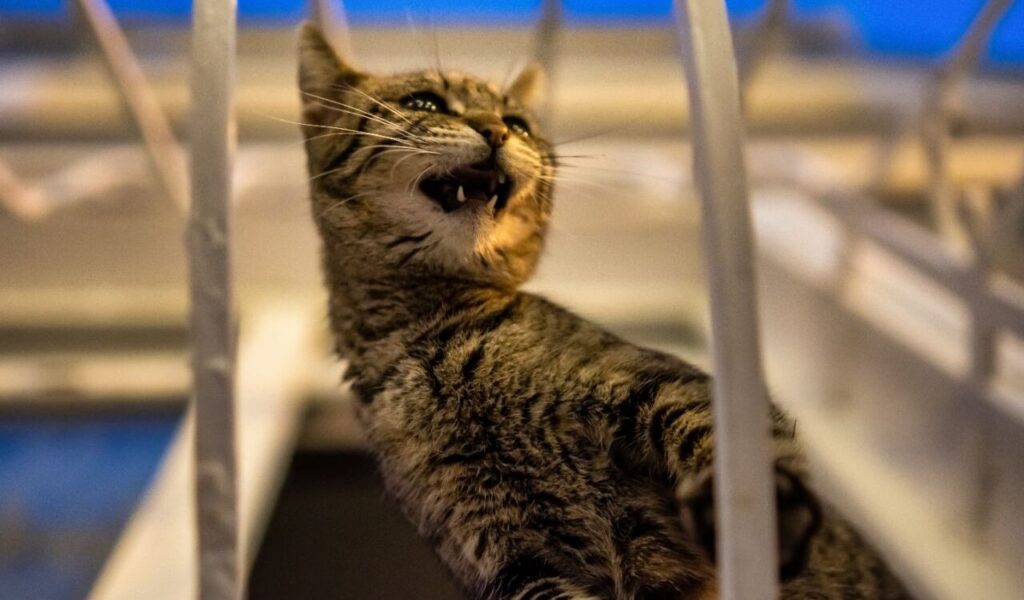
Cats save their meowing mostly for humans, crafting unique sounds that each human in their life recognizes. Whether it’s a solitary chirrup to say hello or an insistent yowl for dinner, cats tailor their sounds to get their point across efficiently. These vocalizations are far from random; they’re tailor-made conversations that consider the listener’s attention span and responsiveness. It’s fascinating to think how many distinctive sounds they employ, making them skillful conversationalists in the feline world.
Why Cats Don’t Meow at Each Other
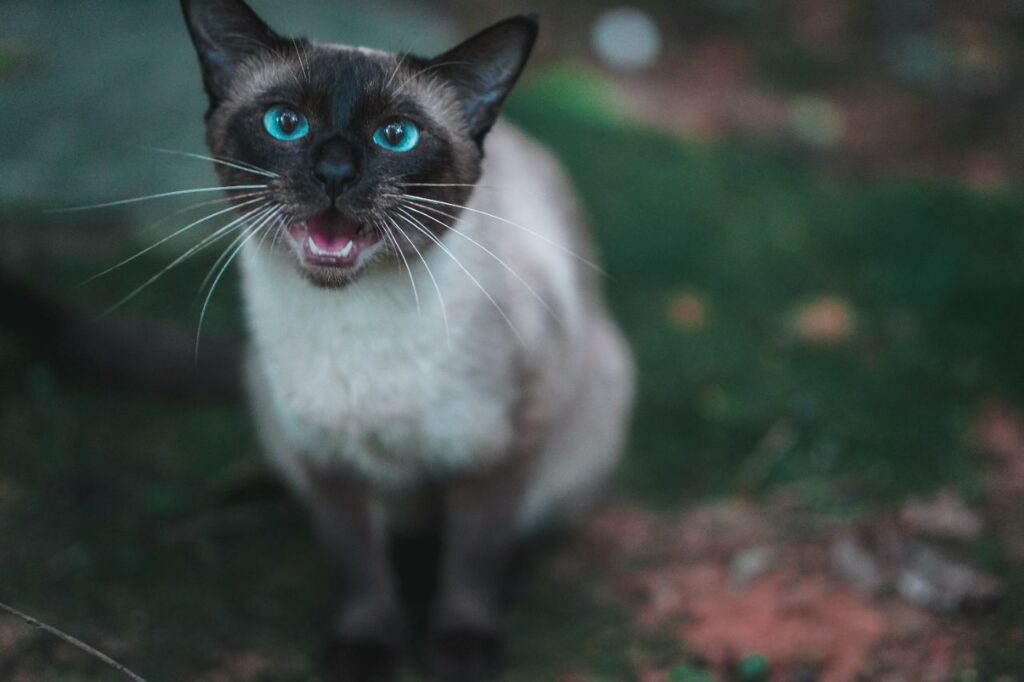
Interestingly, cats largely forgo meowing when interacting with each other, relying instead on intricate body language and a complex hierarchy of purrs, growls, and hisses. In the feline social world, subtle signals like the twitch of a tail or the narrowing of eyes carry more weight. Their evolution positioned these creatures as solitary hunters, so there’s little need for loud vocalizations outside of maternal interactions. This stark contrast in communication methods underscores how domesticated cats truly consider their human companions as unique social partners.
Understanding Your Cat’s Meows
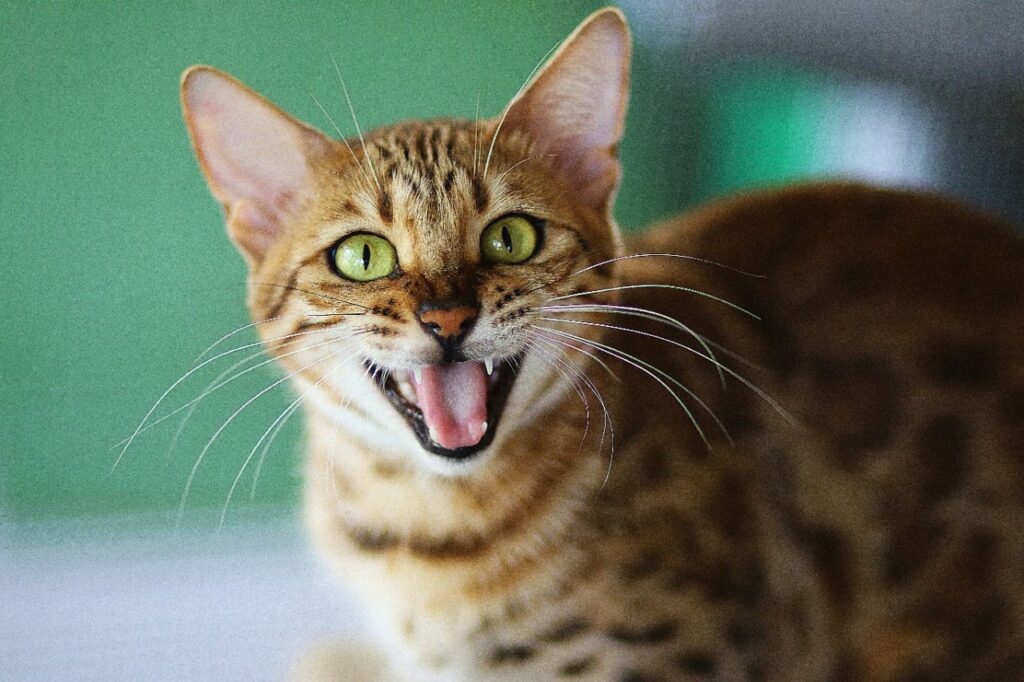
Cats have mastered the art of communication, particularly through their meows—sounds not typically exchanged with other cats. Unlike the wide array of vocalizations used for feline-to-feline interactions, meows are primarily reserved for human communication. Evolutionary biologists suggest that this unique adaptation allows cats to mimic infant-like sounds, which trigger nurturing responses in humans. This distinctive feature underscores the special bond between felines and their human companions, showcasing just how integrated these animals have become into human lives.
How Cats Train Their Humans
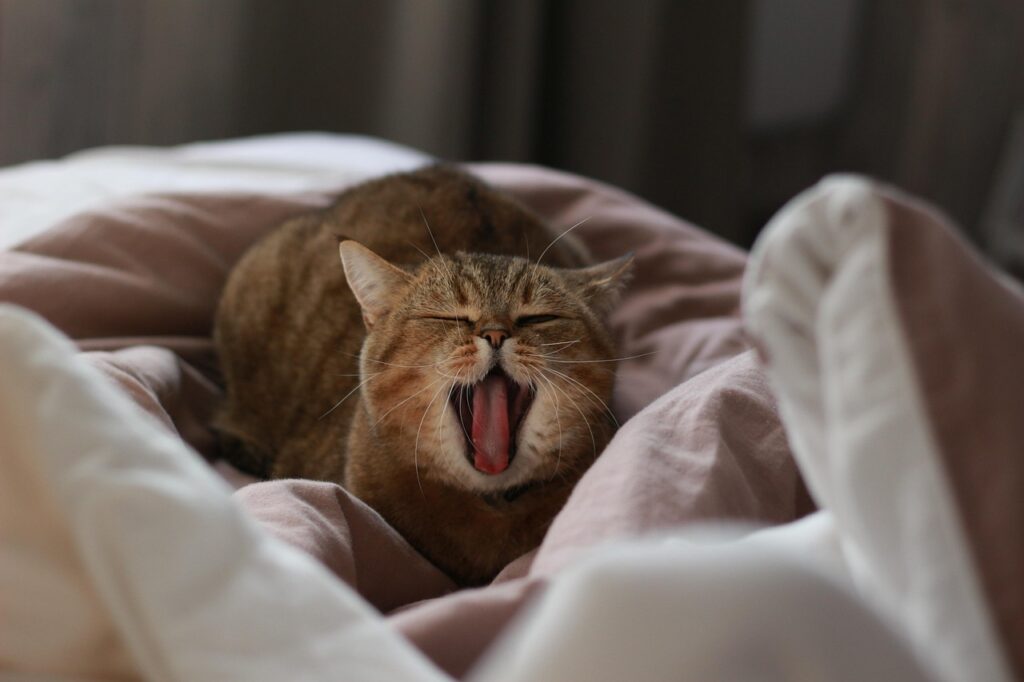
Ever notice how your feline friend seems to know just when to vocalize to get a treat or a cuddle? Cats learn quickly and use meows to manipulate their environment, particularly their human counterparts. By observing our reactions, they adapt their sounds to achieve desired responses. Whether it’s a persistent meow at sunrise for breakfast or a gentle purr to secure a cozy lap spot, cats train us as much as we train them. It’s a testament to their intelligence and adaptability in living harmoniously with humans.
Building Better Human-Cat Bonds
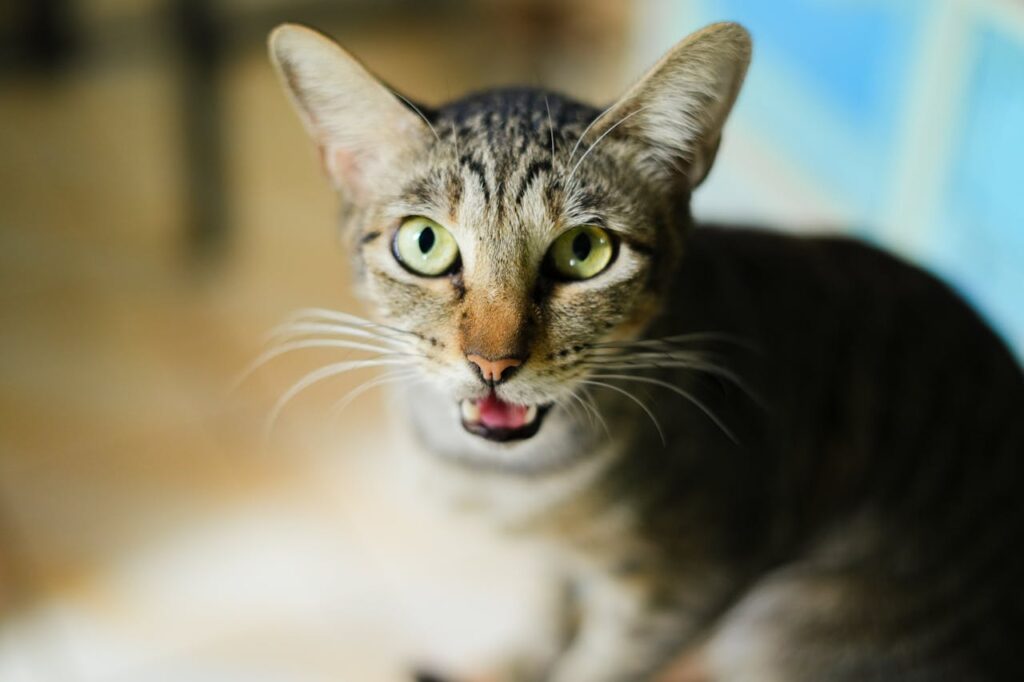
To strengthen your relationship with your cat, it’s crucial to pay attention to their unique way of communicating. Responding thoughtfully to their meows not only satisfies their immediate needs but also fosters trust and connection. Building this bond requires observing their behaviors, understanding their preferences, and ensuring their environment suits their instincts. With patience and attention, this interspecies communication can become a rewarding part of life, enriching the home with warmth and companionship that only a cat can offer.
Decoding Meows: What Your Cat Wants
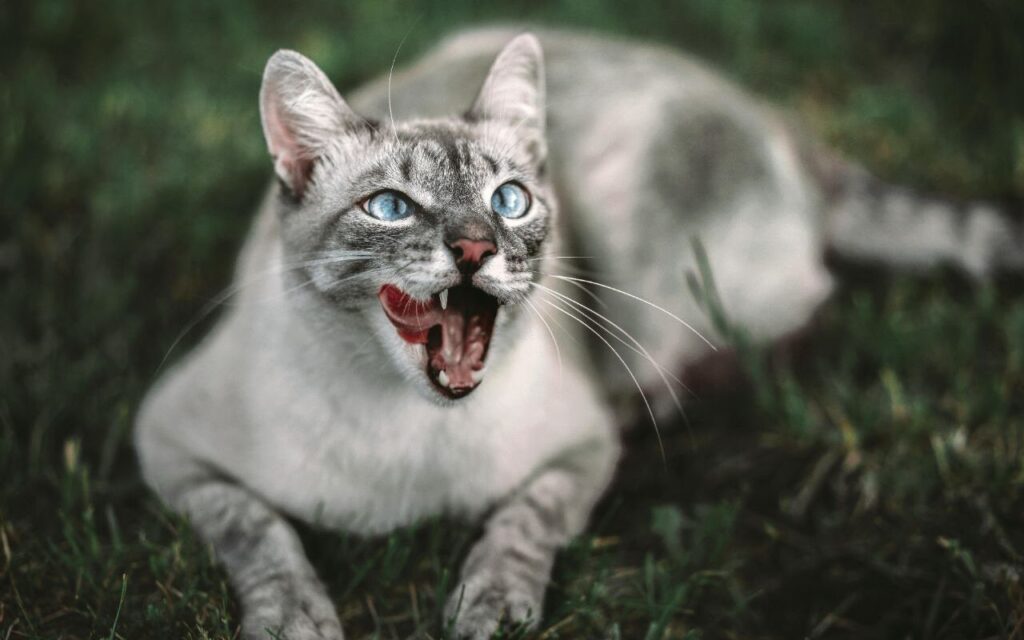
Meows come in many forms—each one a call to action or an expression of needs. A short, plaintive meow might signal hunger, whereas a longer, more insistent sound could indicate stress or discomfort. According to feline behaviorists, a rapid series of meows often means excitement or anticipation, like when you return home or prepare their favorite meal. By learning to decode these vocal cues, you can provide better care and deepen your understanding of what your furry friend is communicating. It’s all about listening to the little things that make your bond with your cat unique.