

Lemmings have fascinated people for generations, largely due to a pervasive myth about their supposed mass suicides. These tiny, furry rodents of the Arctic are often misunderstood, partly because of historical misconceptions. The legend of lemmings jumping off cliffs has been popularized through various forms of media, but the real story is far more intriguing. Understanding the truth behind these creatures offers a fascinating glimpse into the natural world and challenges us to reconsider what we think we know about animal behavior.
Understanding the Lemming Legend
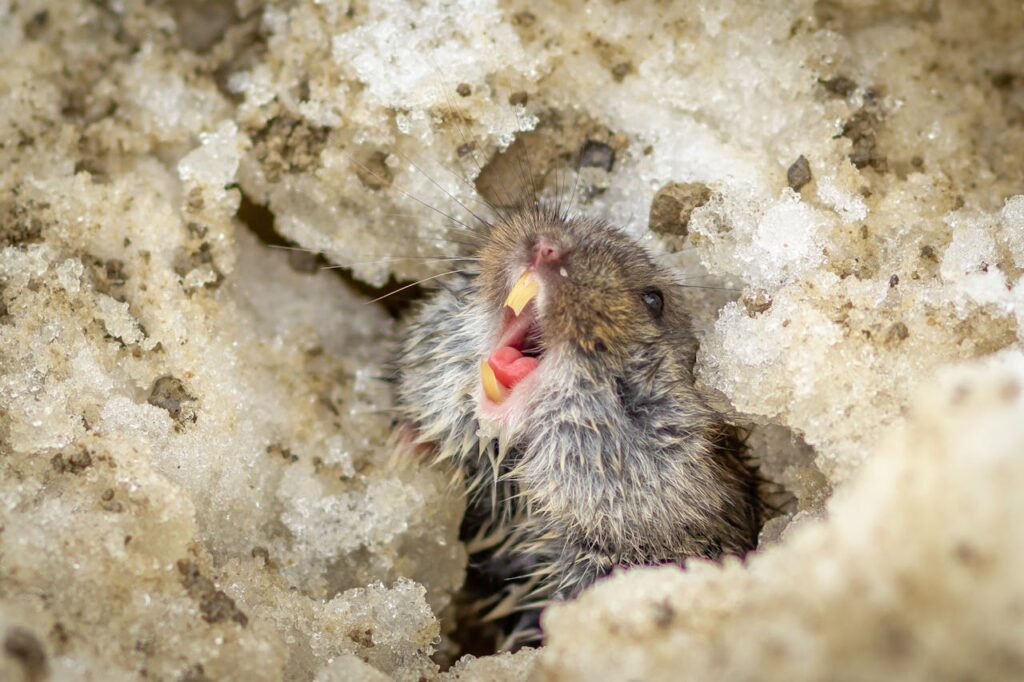
The legend of lemmings stems from a blend of folklore and misguided observations. For centuries, people believed that these small rodents engaged in mass suicide by plunging to their death from cliffs. This myth was famously popularized by a 1958 Disney documentary that dramatized the idea, forever etching the image into public consciousness. But why did this notion take hold? The combination of natural migration patterns and dramatized storytelling spun an enduring tale that lingers to this day, despite the misconceptions involved.
Myth vs. Reality: Do Lemmings Jump?

Contrary to popular belief, lemmings do not engage in intentional, collective suicide. The myth has been thoroughly debunked by scientists and wildlife experts. According to the Norwegian Institute for Nature Research, while lemmings do experience population booms that lead to mass migrations, their behaviors are driven by survival, not self-destruction. Adapted to harsh Arctic environments, lemmings naturally seek out new habitats when their population density becomes unsustainable, but their movements are not suicidal leaps into the abyss.
The Real Behavior of Lemmings
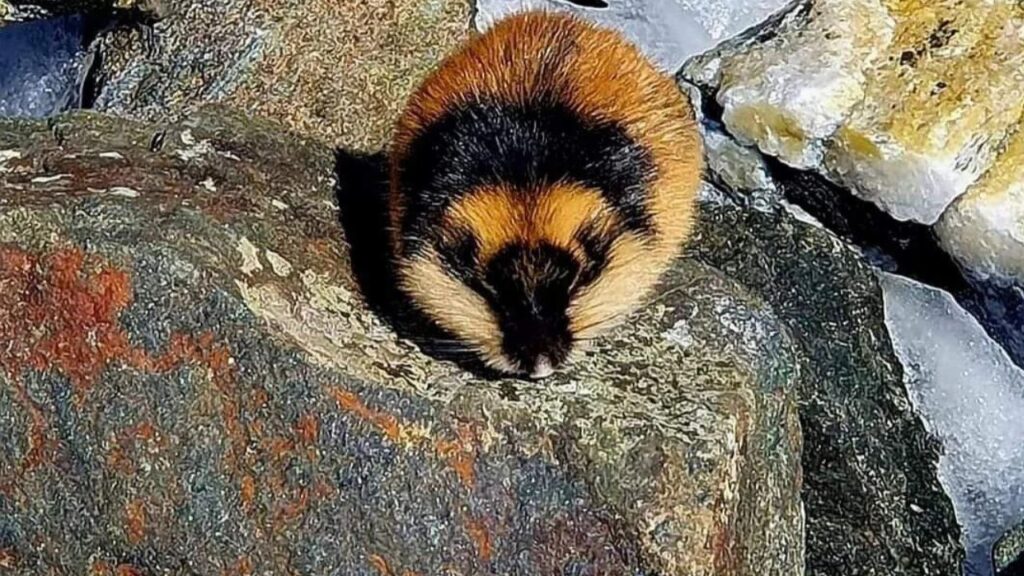
Lemmings exhibit remarkable adaptability. As herbivorous rodents, they feed on grasses, sedges, and mosses and have evolved to thrive in the challenging tundra ecosystem. Their life cycle involves rapid reproduction during the warmer months, leading to significant population fluctuations. During peak numbers, instinctual migrations occur as they seek out new territories with available resources. These migrations are methodical rather than chaotic leaps, meant to ensure the species’ survival amidst fluctuating environmental conditions. Their journey is a testament to evolution, not despair.
The Role of Migration in Lemming Survival

Migration plays a crucial role in the survival strategy of lemmings, addressing the balance between population size and available resources. As numbers grow, competition for food intensifies, prompting these creatures to move en masse to find new feeding grounds. This instinctive behavior reduces pressure on their existing habitat and aids in dispersal, which is vital for genetic diversity and species resilience. Lemmings demonstrate a sophisticated response to ecological challenges, using movement as a tool for species sustainability rather than a march to extinction.
Media’s Impact on Lemming Misconceptions
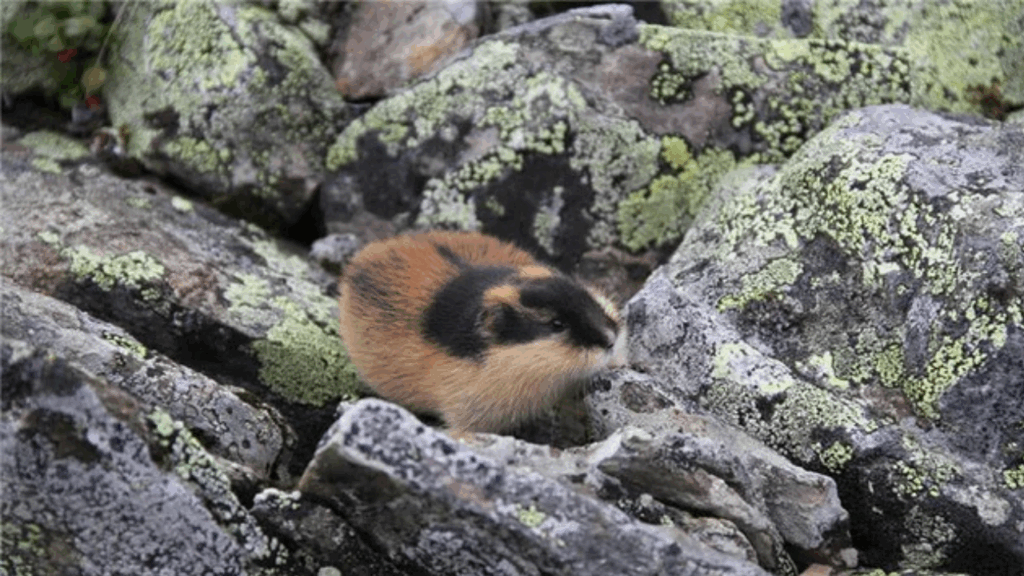
The myth of lemmings committing mass suicide by jumping off cliffs was popularized by a 1958 Disney documentary, “White Wilderness.” This film staged scenes that misrepresented lemming behavior, leaving an indelible mark on public perception. While intended to depict a dramatic story of nature, the movie’s fabricated scenes have fed the misconception that these small rodents engage in self-destructive migrations. It’s a stark reminder of how media can shape our understanding of wildlife, often blurring the lines between fact and fiction.
Biology and Habitat of Lemmings
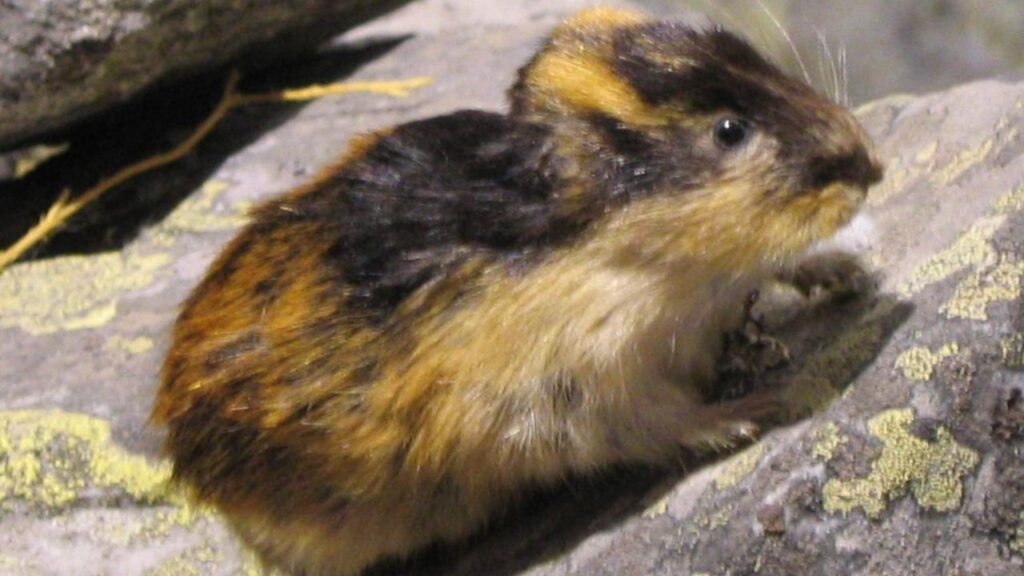
Lemmings are small, stocky rodents found in the Arctic tundra, known for their cyclic population booms and declines. Contrary to popular belief, they don’t intentionally leap to their doom. These rodents migrate to find food and reduce population pressure, not to end their lives. Their dense fur and short tails are adaptations to cold environments, helping them thrive in harsh conditions. Despite their size, lemmings are resilient creatures, adept at surviving by burrowing under the snow for warmth and food during winter.