
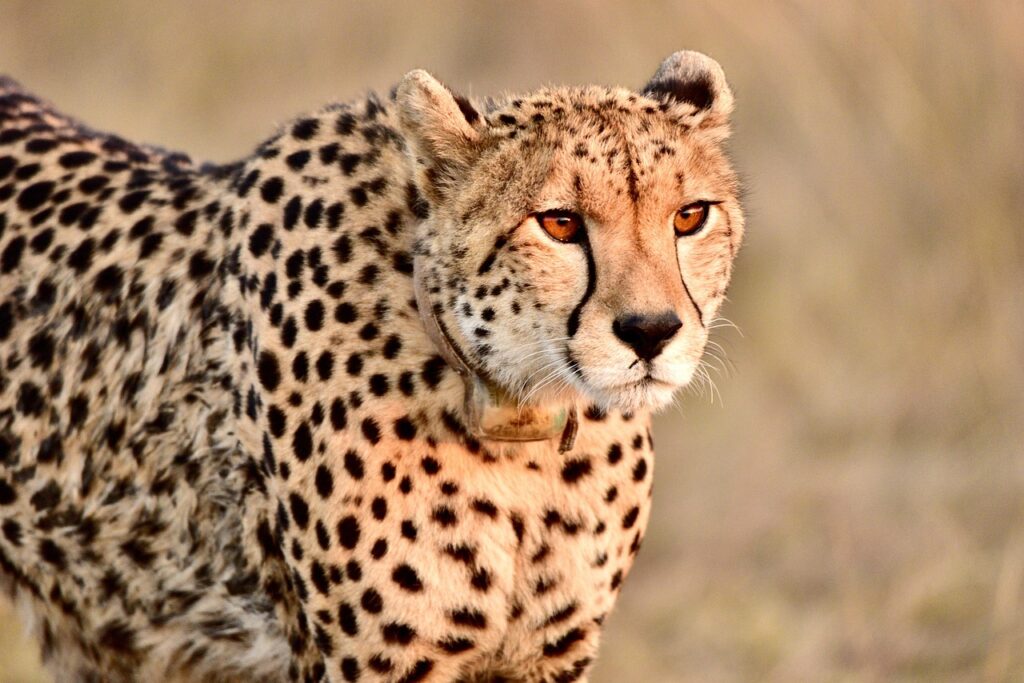
When you think of the fastest land animal on Earth, you likely picture a blur of spotted fur racing across the savannah at breakneck speed. But the cheetah, famous for its unmatched velocity, hides a softer, more surprising trait behind its fierce appearance—it purrs. Unlike the thunderous roars of lions or the menacing growls of leopards, the cheetah’s vocalizations are more akin to the gentle rumble of a content house cat. This contrast between speed and serenity raises an intriguing question: why does such a powerful predator purr like a kitten?
1. The Enigma of the Cheetah’s Speed
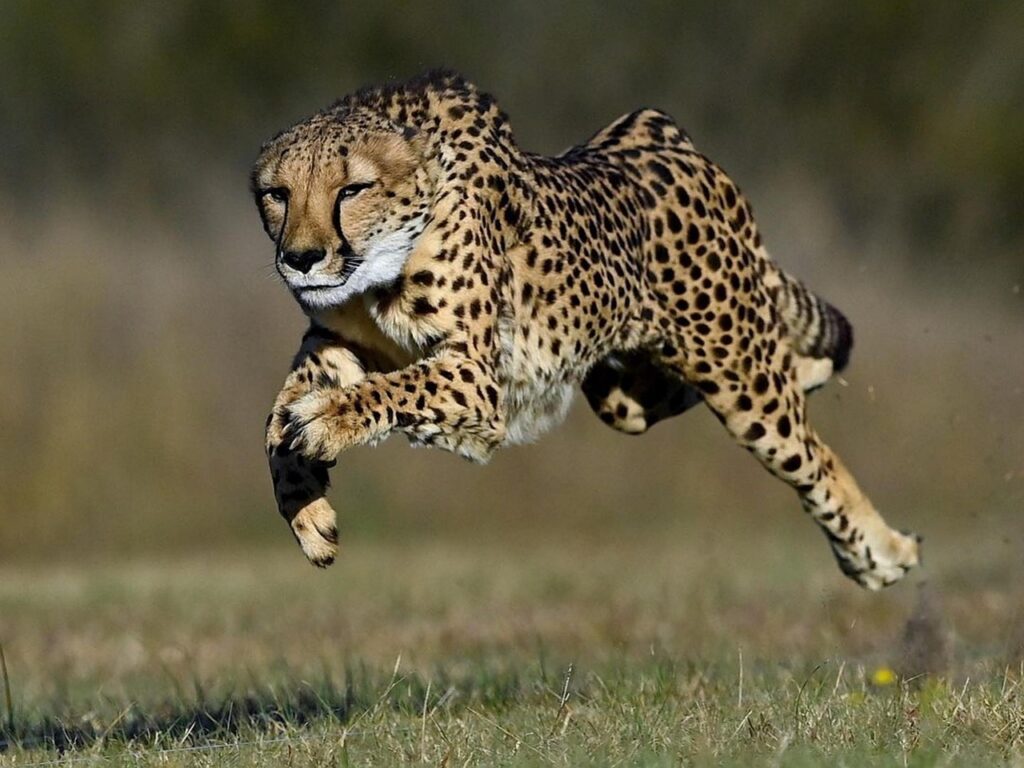
Cheetahs are nature’s speed demons, capable of reaching 60 to 70 mph in just a few seconds, making them the fastest land animals. This impressive feat is the result of a fascinating evolutionary design. With powerful leg muscles, lightweight bodies, and a flexible spine, cheetahs strike a perfect balance between strength and maneuverability. But it’s not just their speed that captivates animal enthusiasts; it’s their ability to decelerate, pivot, and change direction swiftly, a quality essential for synchronizing their rapid pursuits across the savannah.
2. Cheetahs: Agility and Acceleration
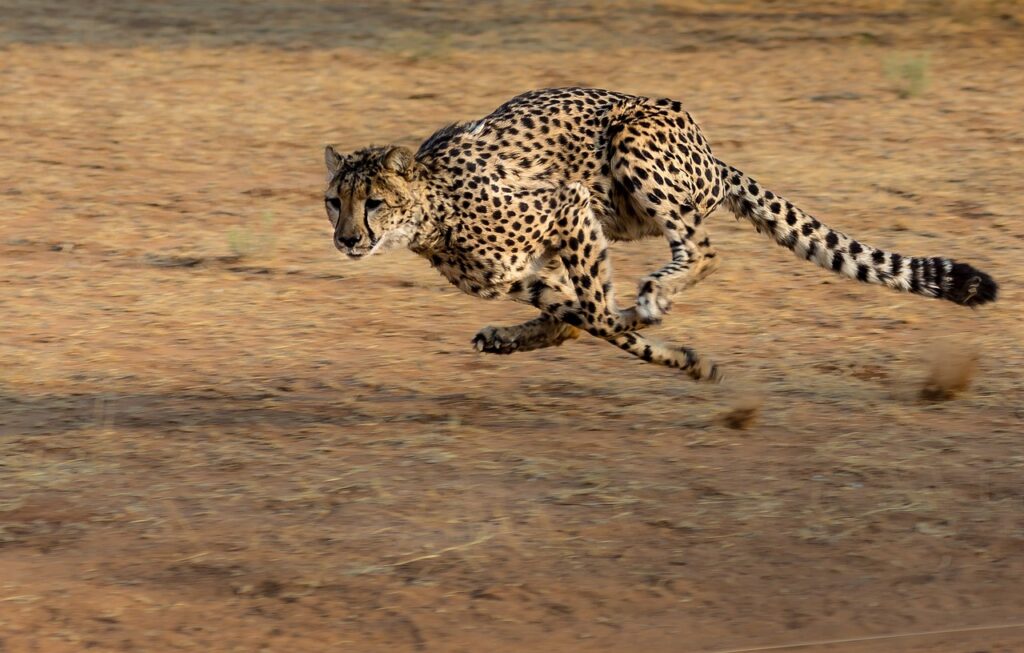
Acceleration in cheetahs is a natural marvel, with these magnificent animals capable of gaining 10 mph per stride. Their semi-retractable claws and gripping pads aid traction, while their tails act as a rudder, stabilizing fast high-speed turns. This combination of traits enables cheetahs to pursue and capture nimble prey such as gazelles and impalas. Their prowess in agility is not just about raw speed; it’s the precise coordination of their body mechanics that distinguishes them from other big cats and ensures successful hunts.
3. Vocalizations of the Cheetah
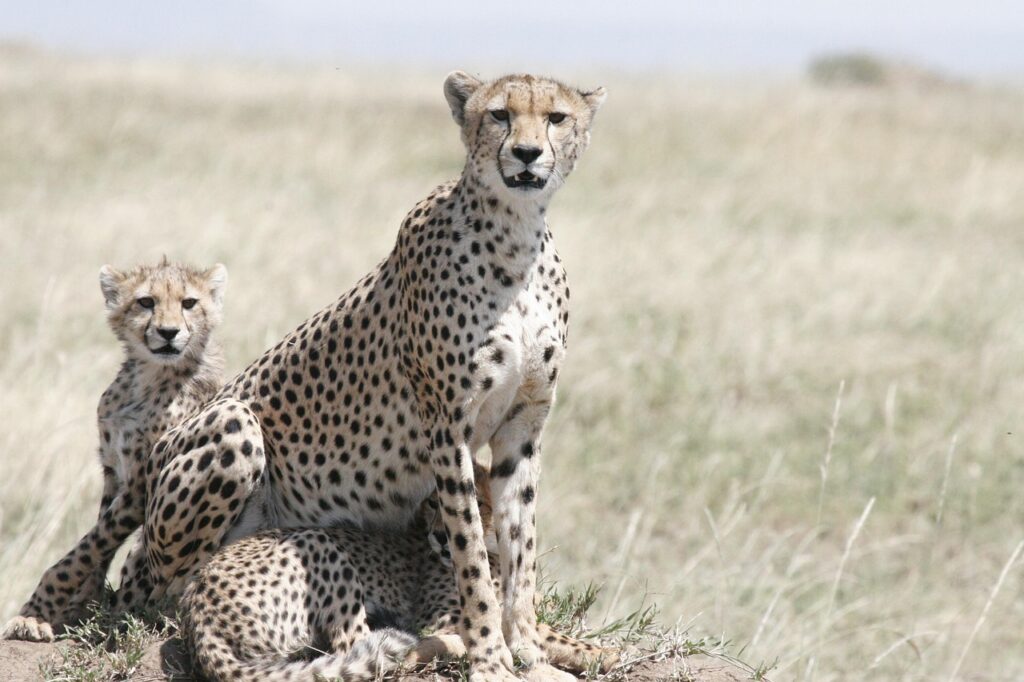
Cheetahs communicate using a variety of vocal sounds. Unlike most big cats, they cannot roar. Instead, they share a language of chirps, purrs, and meows. These vocalizations help them express a wide range of emotions, from distress calls to affectionate greetings within their social groups. Purring often occurs as a form of contentment, similar to domestic cats. The subtlety of their sounds adds an intriguing layer to their behavior, creating bonds within coalitions and nurturing relationships between mothers and their cubs.
4. Why Cheetahs Meow and Purr
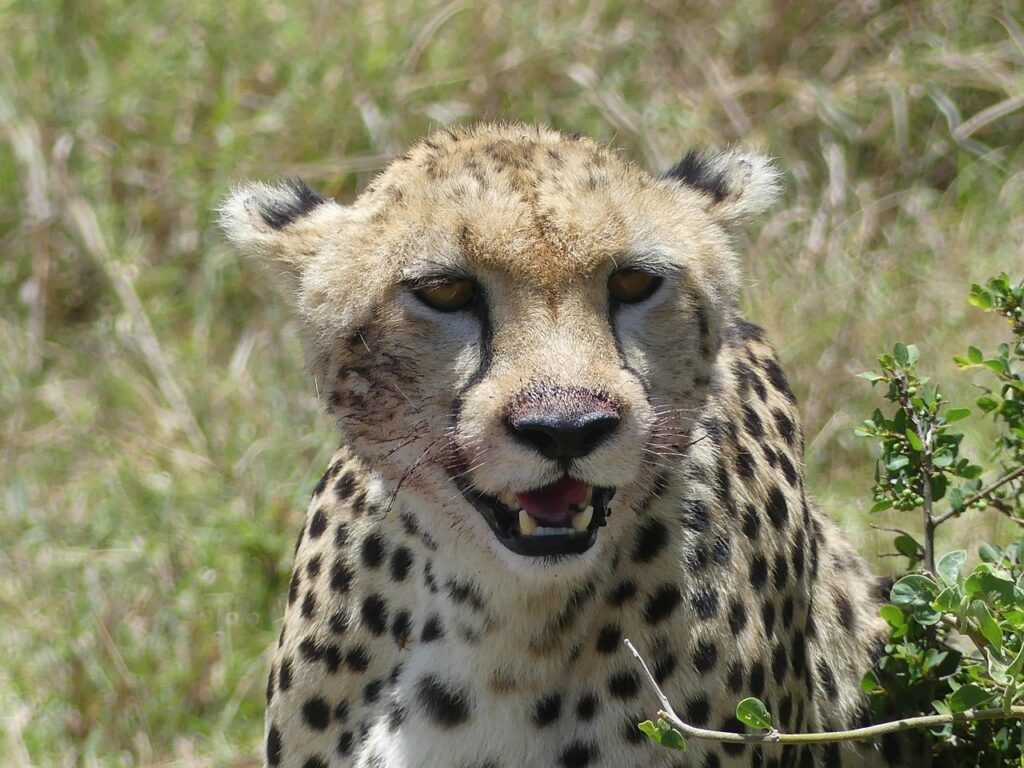
The ability to meow and purr is linked to the cheetah’s anatomical structure. While roaring felids have a specialized larynx suited for deep, resounding calls, cheetahs retain a genial domestic cat-like larynx, enabling them to produce softer, varied sounds. Purring, in particular, is typically a sign of wellbeing and satisfaction, often occurring during moments of rest or after a meal. These sounds facilitate intimate communication, particularly between mothers and their young, ensuring the safety and cohesion of the family unit in the wild.
5. The Science Behind Their Sounds
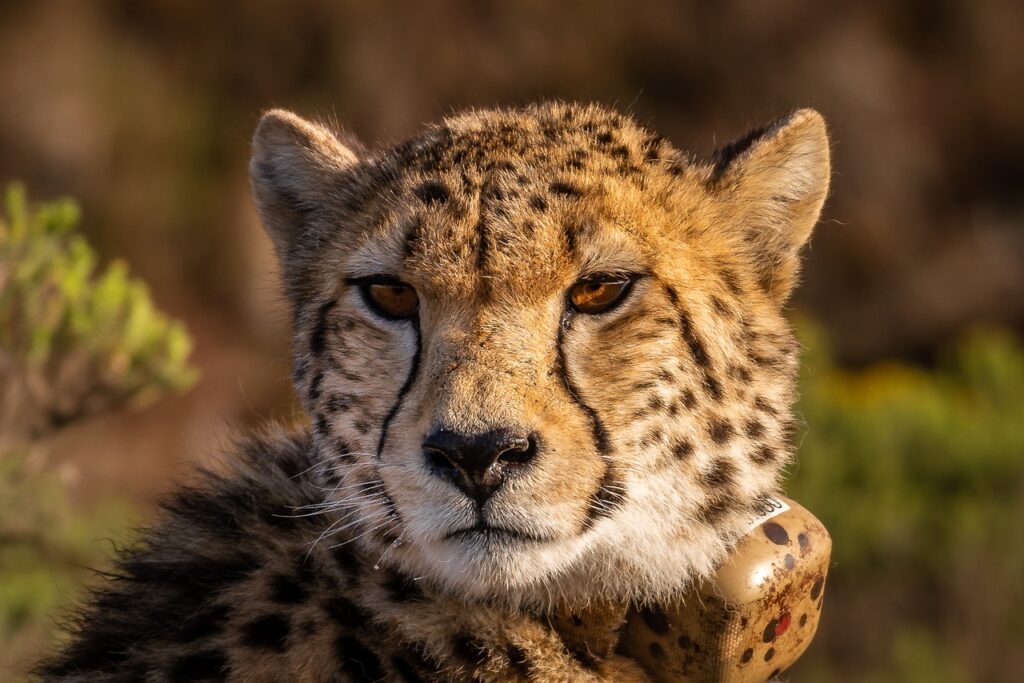
According to studies in animal vocalization, adaptations in the cheetah’s voice box limit their range to lower frequencies but allow flexibility for numerous small sounds. This evolutionary trait benefits loners and nocturnally social animals that find silent yet effective communication advantageous. Their distinctive vocalizations are not merely behavioral but are embedded in their DNA, offering insights into the evolutionary paths of felids. A cheetah’s soft repertoire reflects a unique lineage where quieter interactions prevail in the wild, serving both survival and familial functions.